Search Results
530 results for “cat brush”

Why Cats and Dogs Shed in Spring (and When to Worry)
Shedding spikes in spring and autumn as pets swap coats — that's normal. But heavy hair loss with behavior changes can signal skin disease, diet, allergies, stress, or parasites.

Does Cat Teething Cause Bleeding? What to Do
A little gum bleeding during teething is normal and stops soon — it happens when a loose tooth is knocked by hard food and tears the gum. Soften the diet (soaked kibble, wet food, fish-soup rice) and give chew toys, and start brushing. If bleeding and redness last after teething, it may be stomatitis or gingivitis (bad breath, drooling) — use an oral spray and metronidazole, or see a vet. Teething also needs calcium (bone broth, shrimp).

Is Bad Breath Normal During Cat Teething? How to Fix It
Bad breath in a teething cat (around 5–6 months) is not normal — at this age kidney disease or tartar is rare, so the cause is usually trapped food from retained or slow baby teeth, gum inflammation from bleeding sockets, or gut upset from fast or mixed feeding. Fix it by starting gentle brushing, watching for retained teeth (pull them), and feeding small frequent soft meals with probiotics.
What to Watch During a Cat’s Teething
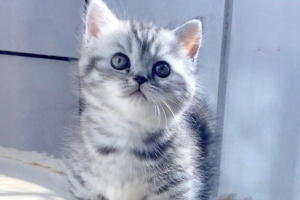
Cats teethe from about 4–5 to 8 months, with red, itchy, bleeding gums and low appetite. Soften kibble with warm water, goat milk, or unsalted bone broth; give chew toys or dental sticks, not scolding, for biting; check for retained baby teeth causing bad bite; after teething return to dry food and brush often; mild gum swelling can self-heal or use an oral spray.

Signs of Cat Teething and How to Tell
A teething cat (around 5 months) chews everything, shows loose teeth and red or bleeding gums, drools from adult-tooth pressure, grooms and rubs its face more, and may eat less if gums swell. It can last to about 8 months. Prepare balanced nutrition with calcium, daily mouth care, chew toys, and regular tooth checks; see a vet for inflammation or retained baby teeth.

Understanding Hairball Syndrome in Cats
Cats swallow hair while grooming; normally it passes, but poor gut motility lets it pile into balls that are vomited back up. Frequent hairballs signal reduced gut movement and flora imbalance, and a blockage can cause dehydration or organ failure. Brush often, add nutrition, and use hairball paste if severe.
Common Causes of Shedding in Cats and Dogs and How to Relieve It with Medication
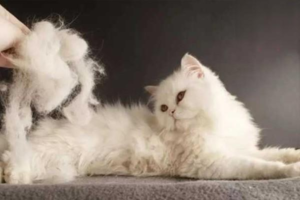
Shedding in pets is common, but excessive or abnormal hair loss usually signals an underlying problem—seasonal coat change, parasites, fungal infection, poor nutrition, allergies, hormonal imbalance, over-bathing, or stress. This article covers the causes and the medications that help.

Autumn Cat Care Tips
As summer fades, the change to autumn brings special reactions in cats — seasonal shedding, estrus, and a dip in resistance. Learn the key points of caring for a cat in fall.

What to Do When a Cat Loses Fur in Patches
A cat shedding fur can be as hard to stop as a person losing hair, and the reasons vary. From seasonal change to ringworm, pinpointing the cause is key. Learn the common causes of patchy fur loss in cats and how to respond.

Why Does a Cat Cough Right After Waking Up?
Some cats cough the moment they wake up, then seem fine. Because coughing can be an early sign of many illnesses, it should not be ignored. Learn why cats cough after waking and how to care for them.