Search Results
530 results for “cat brush”

What to Prepare Before Getting a Cat
Before a cat comes home, stock the daily essentials — food, a litter box, bowls, a wand toy, parasite control, and a few health basics. A short list of 'next step' and 'advanced' items can follow as you learn your cat's needs.

What to Do About Hairballs in Cats
Cats swallow hair while grooming, and usually pass it by vomiting or in stool. When hair builds up and blocks the gut, it becomes a hairball problem — prevention is far easier than treatment.

How to Care for Your Cat in Winter
Cats feel the cold more than their fluffy looks suggest. Warm, safe bedding, careful heating, steady nutrition, and a little extra grooming keep your cat healthy through the winter — and so do the stray cats sheltering by your car.

Signs Your Cat Is Unhappy — and What to Do
Cats express discomfort in subtle ways that are easy to miss — changes in voice, appetite, grooming, or hiding. Learning these behavioral clues and how to respond calmly protects both your cat's mental health and your bond.
Is Your Cat’s Vomiting a Sign of Illness?
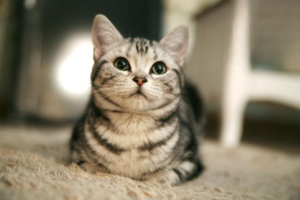
Occasional vomiting in cats has many causes, from harmless hairballs to serious disease. Knowing which warning signs point to a real medical problem — and what to track before you call the vet — helps you act at the right time.

What to Do When Your Cat Vomits: Emergency Steps
A cat that suddenly vomits usually has one of four problems: dietary indiscretion, digestive upset, hairballs, or an infectious disease. Most cases settle with probiotics or a dewormer, but repeated vomiting or signs of panleukopenia mean a vet visit.

Autumn Care Tips for Your Cat
Autumn raises three risks for cats: skin trouble from dampness, hairballs during shedding, and weak coats from poor nutrition. Good ventilation, grooming, supplements, and extra water keep your cat healthy through the fall.

Why Your Cat Is Shedding
Both long- and short-haired cats shed daily, and you can't stop it, only manage it. Seasonal change, the wrong shampoo, or stress are the usual reasons, with endocrine disease a rarer one. Brush often, use a cat-specific wash, and comfort a stressed cat to cut the loss.
Is Matted Cat Fur a Sign of Skin Disease
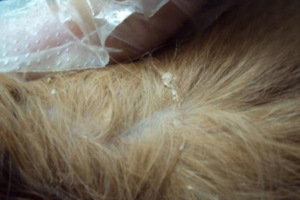
Matted fur isn't automatically a skin disease; often it just means the coat wasn't brushed. But mats trap moisture and oil, creating a breeding ground for infection, and ringworm or an old wound can also cause clumping. Regular grooming and the right ringworm care keep the skin healthy.
What a Cat Throwing Up a Hairball Looks Like
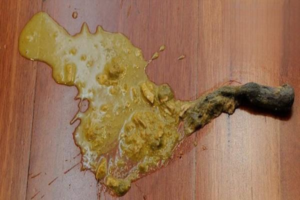
Cats swallow loose fur while grooming, and when it builds up it can form a hairball that mixes with food and irritates the stomach. Recognizing the early signs and keeping up with grooming and the right diet helps most cats avoid trouble. Persistent gagging or appetite loss means a vet visit.