Search Results
530 results for “cat brush”
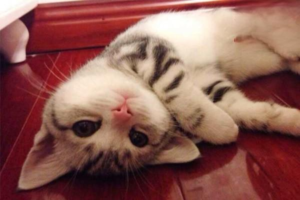
Three Reasons Why Cats Shed Excessively
Heavy shedding is one of the most frustrating parts of cat ownership, but not every cause is out of your control. While seasonal coat changes cannot be stopped, diet and nutrition often can be fixed. This article breaks down three common triggers: weather shifts, too much salt, and poor nutrition, with practical steps to keep loose hair under control.

How to Prevent Cat Diseases
Cats are vulnerable to illness, but not every disease is unavoidable. The best defense is a proactive daily routine that stops problems before they start. By keeping your cat clean, feeding a balanced professional diet, and staying consistent with vaccinations and parasite control, you dramatically lower the risk of common feline illnesses. This guide walks you through the three pillars of prevention so your cat stays healthy and your household stays safe.

Treating and Preventing Cat Tartar
Ignored mouth hygiene leads to tartar, common in cats over two on soft food, peaking at five and eight. Plaque hardens into tartar that causes gum damage, loose teeth, and bad breath. Professional ultrasound scaling under anesthesia is best; severely bad teeth should be pulled. Prevent with early brushing using pet paste and gauze, and feed cat kibble.

Daily Care Tips for Exotic Shorthair Cats
Shedding comes from season change, poor nutrition (often human food lacking protein), or illness. Manage it with regular brushing, which also massages and aids circulation, and proper baths (every 5-7 days in summer, 7-10 in winter); over-bathing harms skin. A grooming glove builds bond and cleans fur.

Spring Shedding and Heat Management in Cats
Spring brings shedding and heat cycles. Control loose fur with pet shampoo, regular brushing, low-salt beauty-coat food, and a calm mood; keep skin healthy with sun and exercise. For heat, a queen in season eats less and calls for toms, so feed well, confine her, and strictly prevent escape, especially before six months.

Essential Tips for Cat Owners
Before adopting, match a cat to your time and life; consider a companion if you're often away, check for allergies, and spay or neuter. Boxes beat fancy toys, scoop the litter often, add vertical scratchers, and build grooming habits young. Feed balanced quality food to avoid disease and deficiency.
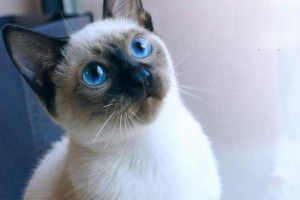
What Causes Cat Bad Breath
A healthy cat's mouth smells faintly of fish or food, never foul. Lasting odor means trouble: soft food and cans cause cavities and tartar, digestion issues and oral infection add smell, and B-vitamin deficiency is a culprit. Watch for dirty teeth, drooling, or gum pain, brush young, and see a vet for diagnosis and treatment.
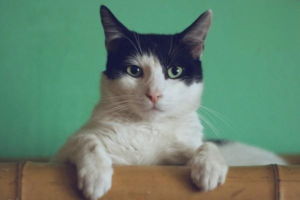
Why Does Your Cat Have Bad Breath?
A cat's normal scent varies (some say bread, popcorn), but a sudden stink—or a 'bio-weapon' yawn—means trouble. Cats groom constantly, so if the mouth smells, the fur smells after licking. Causes: (1) diet—strong seafood or cans cause brief odor; (2) plaque and tartar from uncleaned saliva and food debris; (3) gingivitis/stomatitis from oral bacteria (red, swollen molars); (4) poor digestion—eating too fast/full with weak enzymes and flora; (5) breath with a urine smell can signal kidney disease. Fixes: switch to healthier food, treat oral inflammation with vet-prescribed antibiotics, brush regularly (make it a habit), use probiotics for digestion, and get periodic dental checks.

How to Keep Your Cat’s Coat Beautiful
A dull, dry, matted coat comes from genetics, aging, obesity (a fat cat can't groom its blind spots), and missing nutrients like lecithin. Care: feed quality food with coat-supporting lecithin, fish oil, and zinc; bathe only every 3–4 months with cat-specific shampoo at 36–38°C, using a low-noise dryer; brush often with the right comb; never shave for 'fun' or 'cooling' (cats have no sweat glands and may get depressed); and give sunlight for germ control. Keep the living space clean to avoid skin disease.
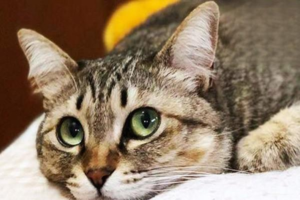
What Is Stud Tail in Cats?
Stud tail is an overactive sebaceous gland at the base of the tail that pumps out too much oil, leaving a greasy, waxy buildup on the tail and the back of the hindquarters. Many cats feel nothing from it, but if bacteria, fungus, or yeast move in, it itches and can inflame. It is common in unneutered tomcats and breeds like Himalayans, Persians, Siamese, and Rexes. Mild cases clear with a benzoyl-peroxide shampoo; severe ones may need surgery. Neutering lowers the risk, and regular brushing helps.