Search Results
126 results for “cat blindness”

How High Blood Pressure Affects Dogs
High blood pressure harms a dog's eyes, heart, kidneys, and nervous system. It can cause retinal damage and vision loss, heart enlargement and failure, kidney failure, and stroke or paralysis. Owners should watch for signs and see a veterinarian, who may measure blood pressure and suggest a low-salt, low-fat diet or medication. Risk rises with obesity, age, genetics, diabetes, thyroid or kidney disease, and stress. Prevention includes regular checkups, a healthy weight, calm surroundings, and daily exercise.

What Causes Glaucoma in Dogs?
Canine glaucoma comes in primary and secondary forms. Primary glaucoma is a hereditary drainage-angle defect that blocks fluid outflow and raises eye pressure; it is common in Huskies, Chow Chows, Poodles, Cocker Spaniels, Beagles, and Maltese, usually appearing at 4–9 years. Secondary glaucoma follows eye disease such as uveitis, pupil blockage, lens luxation, or tumors. Treatment aims to lower pressure and save vision—medication works best early, but surgery is often needed later. Because early signs are subtle, at-risk breeds should have annual eye-pressure checks.

Senior Dog Vision Fading? Foods That Protect the Eyes
Eye disease is common in dogs—conjunctivitis, keratitis, glaucoma, cataracts—and over half of dogs past ten develop cataracts. Diet can slow that decline. Vitamin A from liver and carrot supports night vision; antioxidants like lutein, vitamins C and E, and anthocyanins guard the retina; omega-3 from fish eases dryness. Avoid overdoing vitamin A or raw food, and get seniors checked yearly.
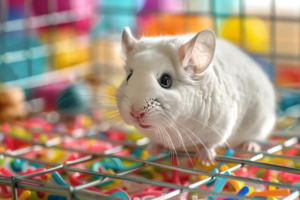
Can Hamsters Get Diabetes?
Hamsters can and do get diabetes, and it is not rare. Like in people, the direct cause is too little insulin, and obese hamsters and dwarf breeds are most at risk. Signs are overeating, heavy drinking, more urine with a strong smell, weight swings, tiredness, mood swings, and in severe cases unsteady walking or coma. Diabetes cannot be cured, so strict sugar control with high-protein, high-fiber, low-fat, low-sugar food is vital; dwarf hamsters should avoid all sweets. Keep them active to prevent obesity.

Leiocephalus personatus
The Masked Curlytail Lizard (Leiocephalus personatus) is a small, active, territorial lizard from the West Indies, famous for curling its tail like a spring when excited. A hardy basking lover that does well in groups of one male with several females, it eats almost any non-toxic insect.
Canine and Feline Brain Tumors
Brain tumors in dogs and cats are most often meningeal or glial tumors that appear in middle-aged to older pets, with some breeds such as Boxers and Bulldogs overrepresented. They compress brain tissue and cause gradually worsening neurological signs including behavior changes, circling, head tilt, blindness, and seizures.

Canine and Feline Glaucoma: Symptoms, Treatment, and Prevention
Glaucoma is raised pressure inside the eye of dogs and cats from blocked fluid drainage, damaging the retina and optic nerve and risking blindness. It is managed with pressure-lowering drugs and, sometimes, surgery.

Canine and Feline Keratitis: Symptoms, Treatment, and Prevention
Keratitis is inflammation of the cornea in dogs and cats from trauma, microbes, or chemicals, causing pain, cloudiness, and ulcers that can threaten sight. Prompt care protects the cornea and preserves vision.

Canine and Feline Toxoplasmosis: Symptoms, Treatment, and Prevention
Toxoplasmosis is caused by Toxoplasma gondii, with cats as the definitive host; dogs and cats are often silently infected but can develop respiratory and nervous signs. It is treated with sulfonamide-based anticoccidial therapy.

Canine and Feline Thelaziosis (Eye Worm Infection): Symptoms, Treatment, and Prevention
Thelaziosis is caused by the nematode Thelazia (eyeworm) that lives under the nictitating membrane of dogs and cats, causing conjunctivitis and keratitis that can impair vision. The worms are physically removed and the eye treated.