Search Results
291 results for “cat bladder”
What causes blood in a cat’s urine?
Blood in cat urine has many causes — urinary stones, urinary tract infections, and trauma are common. Stones irritate the tract lining and cause bleeding; infections like urethritis or cystitis add pus. This is serious and needs prompt veterinary testing.

How to Quickly Treat a Cat With Urinary Blockage
Feline urinary blockage is an emergency—caused by urethral stones, urethritis, enlarged prostate, tumors, or stress-induced cystitis—where urine can't pass and the bladder over-distends. Get to a vet fast for IV fluids, catheterization (or bladder tapping), urine tests, and possibly surgery or meds; prevent it with plenty of water, a calm home, and neutering males.

What Causes Stress in Cats
Cat stress comes from many things: environment changes, lack of company, noise, broken routines, household conflict, and health issues. Keep the home stable and quiet, stick to a routine, respect its boundaries, and see a vet if urination, appetite, or vomiting problems appear.

Does Strong-Smelling Cat Urine Mean Illness?
Cat urine naturally contains ammonia and other compounds, so some odor is normal — especially in unneutered toms, whose pheromone-laced urine marks territory and smells stronger. Diet, water intake, and litter type also affect odor. But a sudden, unusually strong or sweet smell with little urine, frequency, or pain can signal a UTI, stones, or kidney disease; a sweet scent in particular may mean diabetes — see a vet.
How to Comfort a Cat After It Gets Scared
Move a scared cat to a quiet, enclosed space (a bedroom or carrier) with its familiar blanket and toys, close doors and curtains, and use a pheromone spray. After it settles, crouch about a meter away, offer a finger for it to sniff, then pet the forehead or chin. Keep the home calm for 24 hours. Watch for signs of true stress — not eating, vomiting, or straining to urinate — and see a vet if they appear.

How to Prevent Cat Car Sickness
Cat carsickness is motion sickness driven by conflicting signals from the inner ear, eyes, and body sense, made worse by a cat's natural anxiety about the unfamiliar car environment. You can prevent it by acclimating your cat to its carrier and a stationary (then running) car with treats, securing a roomy carrier in the gentlest seat, driving smoothly with regular 1–2 hour breaks, withholding food 4–6 hours before travel, and using vet-approved motion-sickness medication when needed.

Why Does a Male Cat Lick His Genitals?
A male cat may lick his genitals to clean himself, relieve stress, during mating season, or because of illness or infection. Grooming or seasonal behavior is usually harmless as long as the area stays clean, but if licking comes with other symptoms such as trouble urinating, it likely signals a medical problem that needs a vet.

Bad Breath in Dogs and Cats Is Not “Heat”—3 Types to Self-Check
When dogs or cats have bad breath, many owners assume “heat” and reach for cooling teas or herbs—but most pet halitosis is a disease signal, not a temperature issue. A rotten, fishy odor with red gums, tartar, hesitant eating, or drooling points to periodontal disease (over 70% of pets over 3 years); a strong urine or ammonia smell with extra drinking, extra urination, lethargy, and low appetite signals declining kidney function; and a sour, fermented odor with burping, acid reflux, worse on an empty stomach, and soft stool points to gut or liver trouble. Mild breath, teething at 3–6 months, or a meaty diet smell are normal. Severe or symptomatic breath warrants a vet visit—blood and organ checks—not “cooling” remedies.
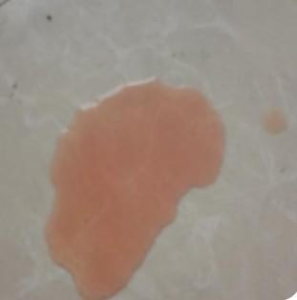
Male Cat Cystitis with Pink Urine: A Recovery Case
A 4-year-old male cat had on-and-off pink, blood-tinged urine—classic of cystitis, urethritis, or crystal irritation of the lower urinary tract, which causes frequent, scanty, painful urination. A diuretic to flush the tract plus an antibiotic for infection, with plenty of water and clean litter, brought normal urine color in about three days. Recurring pink urine, though, deserves a vet check for stones.

Why Does My Cat Keep Pawing at the Water Bowl?
Cats are intelligent, clean-loving animals, and pawing at the water bowl usually signals something specific rather than random mischief. The behavior may mean your cat finds the water unclean, simply enjoys playing with water, feels bored or unhappy, or is trying to get your attention. Because drinking enough water is vital to feline urinary health, it is worth addressing. Keep the bowl clean and fresh, consider a circulating fountain to encourage drinking and curb the pawing, and provide engaging toys to burn off excess energy. Paying attention to your cat's mood and offering companionship also reduces attention-seeking behavior. Understanding the cause is the first step, so you can respond with the right fix instead of scolding.