Search Results
189 results for “cat black spots”
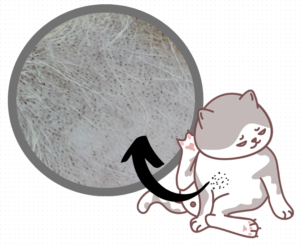
What Are the Black Dots on My Cat’s Skin?
Those little black specks on your cat's chin, tail, or belly are usually the early sign of folliculitis—clogged, infected hair follicles that look like human blackheads. It is common, mild, and very treatable with gentle local cleaning, a lighter diet, and a few daily-habit tweaks. Here is how to recognize it and clear it up.

Cat Chin Acne: Causes and Treatment
If you have noticed coal-like black specks on your cat's chin, sometimes with rubbing and scratching, your cat likely has chin acne - a common beauty killer. It works much like human blackheads: overactive sebaceous glands let oil build up, leading to secondary bacterial and fungal infection. Mild cases show black or white comedones; severe cases bring yellow-brown crusts, pustules and swelling. This article explains the causes - hormones, environment and diet - and how to treat it by switching bowls, cleaning with warm saline and using chlorhexidine or mupirocin.
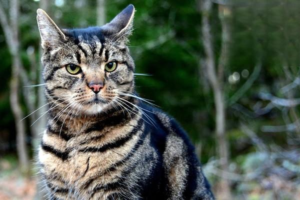
Why Does a Siamese Cat’s Fur Turn Black?
A Siamese cat's coat darkens for a reason that has nothing to do with sunlight: it is driven by temperature. These cats carry a variant of the TYR gene that limits production of the enzyme tyrosinase, which only works properly in cooler areas of the body. As the weather turns cold, the points, face, and ears grow darker, sometimes leaving a near-black 'mask.' The change is largely genetic and cannot be reversed, but keeping the cat warm and limiting iron-rich foods such as liver can slow the process. This article explains the science and what owners can realistically do.
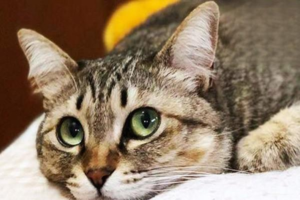
What Is Stud Tail in Cats?
Stud tail is an overactive sebaceous gland at the base of the tail that pumps out too much oil, leaving a greasy, waxy buildup on the tail and the back of the hindquarters. Many cats feel nothing from it, but if bacteria, fungus, or yeast move in, it itches and can inflame. It is common in unneutered tomcats and breeds like Himalayans, Persians, Siamese, and Rexes. Mild cases clear with a benzoyl-peroxide shampoo; severe ones may need surgery. Neutering lowers the risk, and regular brushing helps.

Common Everyday Cat Illnesses
Five common cat issues: (1) Upper respiratory infection—cough, sneeze, runny nose (yellow discharge is a red flag), from cold or poor nutrition; prevent with warmth and good food. (2) Fleas—scratching and black specks after a bath; treat with a vet-recommended flea product. (3) Heartworm—intermittent vomiting, cough, wheezing, lethargy; prevent with monthly prevention and by controlling mosquitoes (the intermediate host) and clean water. (4) Periodontal disease—bad breath, drooling, only soft food; prevent with regular brushing/cleaning. (5) Obesity—oval loaf shape, jiggling belly, hard-to-feel ribs; leads to diabetes, lower-urinary disease, arthritis, hepatic lipidosis; feed measured meals and exercise.

Tiger Shovelnose Catfish
The Tiger Shovelnose Catfish, also known as the shovelnose catfish, duckbill shark or tiger porthole catfish, is native mainly to the Amazon River basin of South America. It is one of the most popular of the large catfish species among aquarists.

Pictus Catfish
The Pictus Catfish (Pimelodus pictus), also known as the Pearl High-Fin Catfish, is native to Colombia. It prefers soft acidic water and is nocturnal, often hiding in rock crevices during the day. Its silver-white body is densely speckled with fine black spots, giving the species its name.

Black Marsh Turtle
The Black Marsh Turtle (Siebenrockiella crassicollis), also called the Siamese temple turtle, is a medium-sized black freshwater turtle from Southeast Asia. Wild numbers are low, but captive-bred individuals now meet demand. An IUCN Vulnerable species, it is not for beginners.
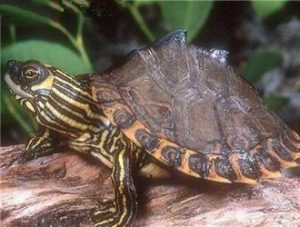
Northern Black-humped Map Turtle
The Northern Black-humped Map Turtle (Graptemys nigrinoda nigrinoda) is a relatively common map turtle seen in markets worldwide. Affordable, easy to keep, and odd-looking, it is popular — the black hump-like knobs on the front vertebral scutes are its unmistakable mark.
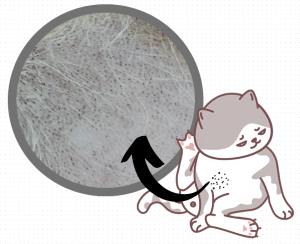
Black Dots on Your Cat’s Skin: Folliculitis, or ‘Black Chin’ and ‘Stud Tail’
Black dots on a cat's skin are usually the early sign of folliculitis, like blackheads, driven by excess sebum, blocked follicles, and bacterial infection. On the chin it is called black chin, and on the tail stud tail or oily tail, both managed with gentle localized cleaning and diet adjustments.