Search Results
144 results for “cat bath tips”

Cat Deworming: Methods and Timing
Parasites are among the few cat illnesses you can actually prevent. A regular deworming schedule protects your cat — and since many parasites are zoonotic, it protects you too. Here is what to know about internal and external parasites and when to treat.
Vaccination Tips for Cats and Dogs
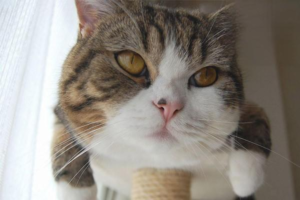
A smooth vaccination comes down to the right timing, honest health reporting, and careful aftercare. Knowing what to do before, during, and after the shot — and why boosters matter — protects your pet when its immunity briefly dips.

How to Tell If Your Cat Has Mites
The hallmark of a mite infestation is intense itching with irregular red patches and hair loss. Unlike ringworm's neat circular rings, mite damage looks blotchy and worsens the more your cat scratches, sometimes progressing to blisters and discharge.

How to Bathe and Deworm Your Cat
Regular deworming protects both your cat and your home. Plan on an internal dewormer every three months and an external one every month, and always bathe your cat before applying a topical product so the treatment can work.

Cat Has Smelly Yellow Diarrhea but Still Acts Normal
Smelly yellow diarrhea with normal energy usually points to diet—spoiled food, too-hard kibble, or toxins. Stress, overfeeding and chills also trigger it. Fast half a day, use a probiotic and keep the cat warm; persistent or toxic cases need a vet.
Simple Tips to Prevent Ringworm in Cats
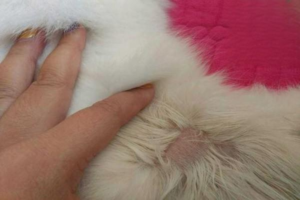
Ringworm in cats comes from four sources — fungal, bacterial, allergic, or parasitic — and prevention starts with each. Weekly cleaning, avoiding allergens, and regular flea control keep your cat's skin healthy.
Simple Tips to Prevent Dog Diarrhea
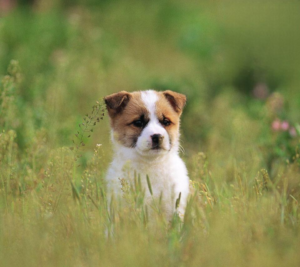
Dog diarrhea is common, but most cases are preventable through steady feeding habits, routine vaccines and deworming, and basic gut support. This guide covers everyday diet management, preventive veterinary care, and simple at-home steps that keep your dog's stomach settled.

Can Pets Use Air Conditioning?
Pets can use AC if you set it around 27–28°C, avoid direct drafts, keep air moving, and let them adjust to temperature changes gradually. Watch for 'AC sickness' — sneezing, lethargy, anorexia — and cool short-faced dogs (pugs, bulldogs) without fail in summer heat.

Why Is a Pomeranian Hard to Care For?
Pomeranians are prone to eye trouble, skin problems, and joint disease, need frequent coat brushing or they mat and shed, are smart but independent so they demand training, and cling to people so they risk separation anxiety when left alone. Caring for one means regular brushing, early training, portion control to avoid obesity, daily activity, routine vet checks with vaccines and deworming, and hygiene for eyes, ears, and teeth.

Chinchilla Care Essentials
When keeping a chinchilla, never feed spicy or cooked food — many deaths come from bad diet. In hot summers, cool them down. The author shares more chinchilla care notes.