Search Results
49 results for “cat attacks”
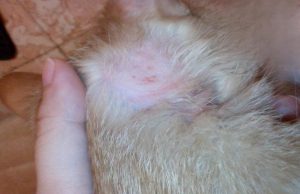
Cat Ringworm: Symptoms and Home Care
Ringworm strikes when a cat's immunity dips, breaking hairs and leaving ring-shaped bare patches. It can pass to people, so isolate the cat, disinfect with iodine, and use a vet-approved antifungal spray plus vitamin B.

Can Canine Parvovirus Spread to Humans?
Canine parvovirus is a common, highly contagious dog disease that affects canids such as dogs, foxes, and wolves, but it does not infect people directly. Humans can still carry the virus on hands and clothing after touching an infected dog or its waste, spreading it to other dogs, so thorough disinfection matters. Parvo mainly attacks the gut and immune system, causing vomiting, bloody diarrhea, dehydration, fever, and weight loss, and is especially dangerous to puppies. Prevention through vaccination, isolation of sick dogs, prompt veterinary care, and thorough environmental cleaning is the best defense.

Can Water Mold Disease in Turtles Be Avoided? (Causes & Prevention)
Water mold disease is preventable. Although Saprolegnia is widespread in water, its presence alone does not cause the disease—infection requires a wound. A healthy, uninjured turtle will not get water mold, so the key is good husbandry: smooth enclosures, regular sunlight, balanced nutrition, and clean water. Early signs include gray-white spots and white fuzzy growths on the skin and shell; untreated, the disease progresses to swelling, ulcers, appetite loss, and death.

Feline Panleukopenia: How Fast Is It Fatal?
Panleukopenia is a deadly, highly contagious viral disease that attacks the gut and bone marrow. Unvaccinated kittens under a year often die within 2–4 days if untreated; unvaccinated adults usually within 5–7 days, some lasting around 10. Vaccinated cats rarely die. Early care lifts kitten survival above 50% and adults above 80%—and surviving one week usually means recovery. Prevention through vaccination beats treatment every time.

What Is Feline Haemobartonellosis?
Feline haemobartonellosis, also called infectious anemia, is a rare but serious disease caused by a blood parasite that attacks red cells and triggers their destruction. It spreads through bites, scratches, fleas and ticks, and from mother to kitten, with outdoor and unneutered males at higher risk. Signs range from fever and lethargy to pale, yellow-tinged gums; diagnosis is by blood smear or PCR. Treatment uses antibiotics such as doxycycline or enrofloxacin plus supportive care, though the cat stays a lifelong carrier.

Brown Surgeonfish
The Brown Surgeonfish, also known as the Algae-eating Surgeonfish or Lavender Tang, is a tropical marine fish named for its lavender-purple anal and caudal fins. Reaching up to 21 cm, it inhabits the Indo-Pacific and feeds mainly on algae.
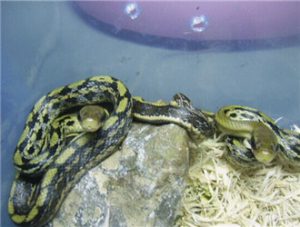
Chinese Beauty Snake
A large, non-venomous rat snake of southern China - the 'black-browed' beauty with four dark side bands. Hardy and a legendary rat-catcher, but fierce when startled.
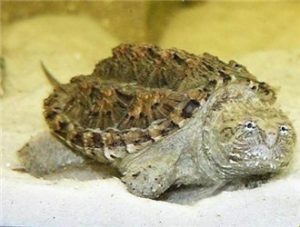
Florida Snapping Turtle
The most heavily-spined of the four Chelydra subspecies - a fierce, heat-loving carnivore from Florida and Georgia. Adults are aggressive; a meat or farm turtle more than a pet.

Komodo Dragon
The world's largest lizard - a 3 m, 90 kg apex predator with venom glands and septic saliva. Protected and NOT a pet; this profile is educational only.

Checkered Keelback
The Checkered Keelback (Xenochrophis piscator), known in Chinese as Yu You She (aliases Yu She, Cao Hua She), is a common, semi-aquatic, non-venomous snake across southern and eastern Asia. It is bold and readily strikes when threatened, so cautious handling is required despite its lack of venom.