Search Results
14 results for “cat appetite stimulant”

Ingredients Cats Cannot Eat
New owners often ask what cats can eat. The answer: human food is best avoided, and even some dog-safe foods aren't cat-safe. Here are the absolute no-nos.

How to Avoid Buying a ‘Sunday Cat’ (Sick Kitten)
This time we tackle a heavy topic: the 'Sunday cat'—a kitten that falls ill or dies within days of purchase. Those fooled are usually newbies who skipped their homework and chased low prices.

Is Cat Fatty Liver the Same as Human Fatty Liver?
Cat fatty liver differs from the human kind: besides obesity, long-term not eating is a major feline cause. Causes vary - low protein, metabolic failure, toxins - so treatment differs too. Here is how it is treated and prevented.

How to Care for a Cat with Fatty Liver Disease
Treating feline fatty liver has two stages: a stabilization phase and a long care phase. Stabilization needs hospital observation; care can be done at home. Here is what each involves.

Causes and Treatment of Pleural Effusion in Cats
Pleural effusion in cats is abnormal fluid in the chest, caused by heart disease, tumors, trauma, organ failure, or infection. Signs include lethargy, cough, open-mouth breathing, and difficulty breathing. Treatment targets the underlying cause — heart medicine, antibiotics, or tumor therapy.

What Is a ‘Week Cat’ and How to Avoid Buying One
A 'week cat' looks healthy in the shop but is already sick; it usually falls ill 3-5 days after you take it home and may die within a week. Buy from reputable sources, demand health and vaccine records, and get a vet checkup right away.

Is Tapioca Starch in Cat or Dog Food a Problem?
Tapioca starch (from cassava, a tropical root) in pet food is normal and usually fine in moderation. It helps kibble hold its shape, provides energy, and lowers cost. If it sits near the top of the ingredient list, though, protein may be lacking — and since cats are obligate carnivores and dogs are meat-based omnivores, long-term high-starch diets cause muscle loss and weaker immunity. The 'tapioca is toxic' worry is a myth: raw cassava contains cyanogenic glycosides, but proper soaking, cooking, and drying remove them, and high-heat pet-food processing destroys what remains.
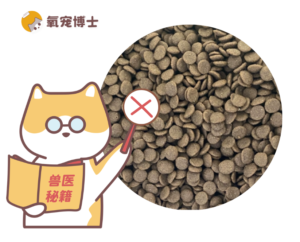
Cat Food Ingredients to Avoid, No Matter How Cheap
Not all cat food is created equal, and the ingredient list is the single most reliable way to judge quality. Some products hide preservatives, flavor enhancers, and fillers that can harm your cat over time — from potential carcinogens like BHA, BHT, ethoxyquin, and TBHQ to appetite stimulants such as MSG and pyrophosphate. Other risky additives include propylene glycol, nitrites, synthetic vitamin K3, and thickening gums, while artificial colors and sweeteners add sugar and nothing of value. Because cats are obligate carnivores, diets overloaded with corn, wheat, or soy not only lack nutrition but may trigger allergies and even aflatoxin exposure. Learning to read the label helps you protect your cat from low-grade food, no matter how attractive the price.

Salt Poisoning in Dogs and Cats
Eating too much common salt irritates the gut and over-excites the brain, causing restlessness, muscle tremor, thirst, little urine and dehydration; severe cases can be fatal. Fresh water and careful correction of electrolytes are the mainstay.

Constipation in Dogs and Cats
Constipation is the difficult or absent passage of stool as fecal material hardens and accumulates in the bowel, eventually distending the intestine. It most often affects older dogs and cats and causes straining, discomfort, and loss of appetite; management ranges from enemas and stool softeners to surgery in severe cases.