Search Results
250 results for “cat alone at home”

What Can Cats Eat to Clean Their Teeth?
The real question is what reduces food left on the teeth. Crunchy quality kibble sticks less than wet food and scrapes the surface as a cat chews; dental chews, jerky, chew toys, and VOHC-certified treats add friction; pet dental water or powder with lysozyme slows plaque chemically. But the most reliable step is still brushing a few times a week. Left alone, plaque becomes tartar, gingivitis, and even organ harm.

Does a Boarded Cat Feel Abandoned?
Cats don't grasp the abstract idea of being 'abandoned,' but they do form a secure attachment through daily life with you. Away from familiar smells, routine, and you, they can lose their sense of safety and stress out. Not every cat reacts this way—outgoing, well-socialized ones may settle in a day or three. Familiar items and a slow reintroduction at home make boarding far easier on them.
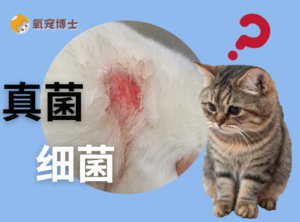
Cat Skin Redness and Hair Loss: Fungal or Bacterial?
A cat's skin normally carries small amounts of bacteria and fungi that only cause trouble when the skin barrier breaks. Fungal infection, usually Microsporum canis, shows as ring-shaped hair loss with a red raised edge and dry scales, and spreads slowly. Bacterial infection is usually secondary—after a scratch, bite, mite, or allergy—and appears as pustules and fast-growing ulcers. Telling them apart guides the right treatment.

Home’s Hinge-back Tortoise
The Home's Hinge-back Tortoise (Kinixys homeana) is a shy, high-difficulty African tortoise known for its hinged rear carapace and a 90-degree rear shell drop. It prefers warm, humid conditions with ample shade and a varied omnivorous diet, but is prone to stress-induced sudden death, so it is not recommended for beginners.

Ataxia Syndrome in Dogs and Cats: Symptoms, Treatment, and Prevention
Ataxia syndrome is incoordination of the limbs from disease of the central nervous system, peripheral nerves, or the limbs themselves, often secondary to infection, poisoning, or inflammation. Signs vary by cause - from whole-body illness to local swelling, fracture, or tendon rupture. Treatment targets the underlying disease.
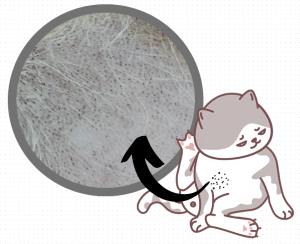
Black Dots on Your Cat’s Skin: Folliculitis, or ‘Black Chin’ and ‘Stud Tail’
Black dots on a cat's skin are usually the early sign of folliculitis, like blackheads, driven by excess sebum, blocked follicles, and bacterial infection. On the chin it is called black chin, and on the tail stud tail or oily tail, both managed with gentle localized cleaning and diet adjustments.
Congenital Coagulation Disorders in Dogs and Cats: Symptoms, Treatment, and Prevention
Congenital coagulation disorders are inherited or acquired deficiencies of clotting factors that cause uncontrollable bleeding from the nose, gut, gums, or after minor surgery. Management focuses on replacing clotting factors, correcting anemia, and preventing injury.

Bladder Spasm in Dogs and Cats
Bladder spasm is a non-inflammatory, cramp-like contraction of the bladder muscle or sphincter that disrupts normal urination. It is often triggered by stones or clots irritating the bladder. Relieving the underlying cause and calming the spasm restores normal voiding.

Pasteurellosis in Dogs and Cats: Symptoms, Treatment, and Prevention
Pasteurellosis is an acute, feverish infectious disease caused by Pasteurella multocida. The acute form is marked by septicemia and hemorrhagic inflammation (historically called 'hemorrhagic septicemia'); the chronic form shows subcutaneous, joint, and organ abscesses, often mixed with or secondary to other diseases. Chickens are most commonly affected, but cats and dogs can also be infected.

Coenzyme Q10 (CoQ10) for Dogs and Cats: Supporting Heart Health
Coenzyme Q10 is a compound central to energy production in heart muscle and an antioxidant that helps neutralize free radicals. As an adjunct to veterinary care, it is commonly used to support pets with heart disease, especially seniors and small-breed dogs at higher risk.