Search Results
250 results for “cat alone at home”

Feral vs. Stray Cat: How to Tell Them Apart
Many people mix up feral and stray cats, but they differ in history, behavior, looks, bond with people, and adaptability. A stray was once a pet, abandoned or lost, and lives near homes and people, so it often trusts humans and approaches for food. A feral cat was born and raised wild with little human contact, stays far from neighborhoods, hunts on its own, and is wary or aggressive toward people. Appearance alone is unreliable, both can look thin with rough coats, but strays may seem more eager to return to a home. Because ferals are hard to tame and can be aggressive, approach or adopt them with caution.
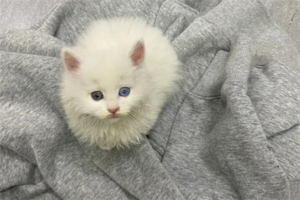
Signs Your Cat Is Lonely
Cats may be solitary by nature, but they still feel loneliness, and long hours alone show up as destructive behavior, excessive meowing, over-grooming, clinginess, oversleeping, or staring out the window. Ease it with a second cat, daily play and affection, and a consistent feeding routine.
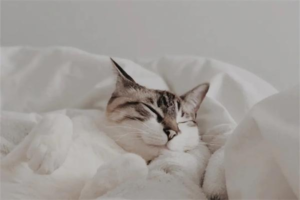
Signs Your Cat Is Scared of You After Being Hit
A cat that has been hit often shows it: it avoids people, trembles at the sight of you, won't make eye contact, hides at your voice, loses trust, and acts wary at home. Hitting backfires—it only builds fear. Rebuild the bond with gentle interaction and treats instead.
How to Comfort a Cat After It Gets Scared
Move a scared cat to a quiet, enclosed space (a bedroom or carrier) with its familiar blanket and toys, close doors and curtains, and use a pheromone spray. After it settles, crouch about a meter away, offer a finger for it to sniff, then pet the forehead or chin. Keep the home calm for 24 hours. Watch for signs of true stress — not eating, vomiting, or straining to urinate — and see a vet if they appear.

Why Does Your Cat Wait at the Door for You?
A cat at the door isn't always pining for you — it may be ready to 'confess' a misdeed, curious about outside sounds, eager to smell where you've been, bored and wanting play, or simply hungry. Read your own cat's habits to respond to what it actually needs.

How to Prevent Cat Car Sickness
Cat carsickness is motion sickness driven by conflicting signals from the inner ear, eyes, and body sense, made worse by a cat's natural anxiety about the unfamiliar car environment. You can prevent it by acclimating your cat to its carrier and a stationary (then running) car with treats, securing a roomy carrier in the gentlest seat, driving smoothly with regular 1–2 hour breaks, withholding food 4–6 hours before travel, and using vet-approved motion-sickness medication when needed.
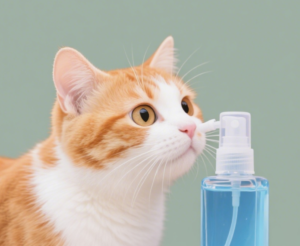
Can Mosquito-Repellent Perfume Poison Your Cat?
That popular mosquito-repellent perfume (the Chinese "flower water") does pose a real risk to cats. Some formulas contain DEET and pyrethroids, both dangerous to cats, and the alcohol, menthol, and camphor in them also irritate. DEET can disturb the central nervous system at high concentration, while pyrethroids are outright toxic because a cat's liver lacks the enzyme to break them down, so toxins build up and can cause organ failure. Cat homes should avoid the product; use screens, nets, electric swatters, or UV traps instead. If a cat shows tremors or vomiting after heavy exposure, never induce vomiting, go to a vet at once.

Bringing Home a 2–6 Month Old Puppy or Kitten: A Complete Care Checklist
A new 2–6 month old puppy or kitten is fragile, and mistakes in the first weeks—too much handling, wrong food, missed vaccines—can cause stress, illness, or worse. Start by letting the pet settle alone for 1–2 hours before gentle interaction; keep the same food it had before (soak kibble if needed) and feed 3–4 small meals a day. Watch the first week closely, since transport can expose them to panleukopenia, cat flu, distemper, or parvovirus on top of stress. The vaccine and deworm timeline matters: deworm first, wait at least 7 days, then vaccinate (dog multivalent from ~45 days, three shots 21 days apart, rabies at 3 months; cat FVRCP from 2 months, three shots 28 days apart, then rabies). Don’t bathe, delay outings until vaccinated, and never feed toxic people foods like grapes, chocolate, coffee, or avocado.
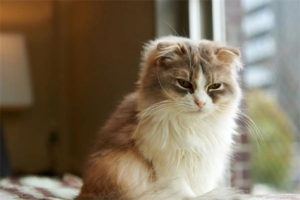
Why Does Cat Fur Become Matted and Hard?
Matted, hardened fur is a common and frustrating problem for many cat owners, and it can seriously affect a cat's comfort and appearance. The issue usually stems from poor grooming habits, an unbalanced diet that lacks essential vitamins and protein, or underlying health problems such as skin infections, inflammation, or fungal disease. When fur is not brushed regularly, loose hairs tangle together and trap dirt, forming tight, stiff mats. In most cases the problem can be prevented and improved through daily brushing, a balanced diet, and routine professional grooming. However, if matting appears together with skin redness, hair loss, or other abnormal signs, a timely visit to the veterinarian is the safest approach.
Why Is Your Cat Panting in the Car? Causes and What to Do
If your cat pants with its mouth open on a car ride, don’t ignore it. In most cases—around 80%—it’s fear: indoor cats suddenly confined in a small, noisy, vibrating space experience a spike in adrenaline that speeds up heart and breathing, and open-mouth breathing is how they meet the higher oxygen demand. But panting can also signal heatstroke, carsickness, or an underlying heart or respiratory condition. This article explains the main causes, how to tell them apart, and a graded response—from calming a mildly stressed cat to urgent steps if the tongue turns blue—so travel becomes less frightening for everyone.