Search Results
50 results for “cat afraid of vet”

Can a Cat Develop Psychological Trauma from a Specific Event?
Cats may seem aloof, but they remember frightening experiences and can develop lasting psychological trauma from abuse, painful vet visits, sudden frights, or abandonment. Signs include hiding, hyper-vigilance, aggression, and regression—and healing relies on a safe environment, routine, and gentle desensitization rather than punishment.
My Cat Keeps Biting My Hands — Stop Using Force to Correct It
The moment a cat goes to bite your hand, pull back and stop all interaction, then give it 10–15 minutes alone to calm down. If it has already latched on, hold still and make a sharp 'hiss' (a cat-to-cat warning) until it lets go, then leave. Never use your hands as toys — switch to a long wand teaser — and for teething kittens, swap some wet food for dry kibble plus dental chews.

How to Read Your Cat’s Mood From Its Ears
A cat's ears are a precise emotional radar: 32 independent muscles let them rotate 180 degrees to pin sound, and their position shifts with mood in real time. Forward and relaxed means content and trusting; upright and swiveling means alert and defensive, so don't disturb; flat back against the head (the "airplane ears") means fear or stress and a risk of fleeing or lashing out, so move the cat to a calm space and consider a pheromone spray. A single tilted ear shows curiosity, and frequent flicking just means something tickled the ear. Reading these cues helps you interact at the right moment and avoid forcing contact when the cat is uneasy.

How to Pick a Healthy Cat
Pet shops show many cute cats, but some turn out unhealthy after you take them home, costing a fortune in vet bills.
Sudden Stress Response in Cats
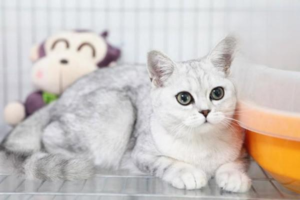
It is often said that a cat's stress response can cause very serious consequences. Today we talk about the cat's stress response. It is said that cats are like women, which is because cats are emotionally very sensitive creatures; various environmental changes, even some noise, may trigger a cat's stress response.

Desensitization Training for Cats with Phobias
Desensitization is a good way to treat phobias in cats. The key is to identify the fear source, control the trigger at low intensity, and slowly increase exposure in a random, stepwise manner—always ending each session on a positive note. Generalized fear and medication are also covered.

Do You Grow to Hate Your Cat?
Every cat owner can list a hundred reasons to be annoyed — soiled beds, sofa scratches, a terrible temper. The difference is whether you respond by learning about the cat or by giving up on it. One owner's story of her hardest cat shows why the bond wins.

Symptoms and Treatment of Feline Distemper
Feline distemper, also called feline panleukopenia or feline infectious enteritis, is an acute, highly contagious disease in cats. A cat with distemper shows: reduced white blood cells, reduced appetite, soft stool, vomiting, fever, dehydration, and other symptoms.

Feline Stress Response: Treatment and How Dangerous It Is
Nowadays more and more people are keeping cats and like to film interaction videos to share online. But whether you are a seasoned cat owner or a beginner, you should learn how to care for cats scientifically.

How to Tell If Your Dog Is Feeling Cold
Dogs can't speak, so if they feel cold they convey it through body language — but often they just endure silently, which is bad for their health. Today we teach how to tell if your dog is cold.