Search Results
54 results for “cardiac care”

Aortic Stenosis in Dogs and Cats
Aortic stenosis is a congenital narrowing of the heart's main outflow valve, most common in dogs such as shepherds and boxers. Mild cases are silent; moderate ones bring cough, exercise breathlessness, and sudden collapse. Treatment limits activity and prevents secondary infection.

Pulmonary Valve Stenosis in Dogs
Pulmonary valve stenosis is a common congenital narrowing of the heart's right-side outflow valve, causing exercise intolerance, breathlessness, and fluid buildup in severe cases. Surgical repair is the definitive treatment, with supportive care for heart failure.

Patent Ductus Arteriosus in Dogs
Patent ductus arteriosus is a congenital vessel that stays open after birth, letting blood short-circuit in the heart. It is common in several dog breeds and can cause poor growth, fluid buildup, and breathlessness. Surgical ligation is the definitive cure.

Ventricular Septal Defect in Dogs and Cats
Ventricular septal defect is a congenital hole in the wall between the heart's lower chambers, with a clear hereditary tendency. Signs include slow growth, easy fatigue, cough, and breathlessness, and severe cases shorten life. Treatment improves heart function and prevents secondary infection.

Atrial Septal Defect in Dogs and Cats
Atrial septal defect is a congenital hole in the wall between the heart's upper chambers, often inherited, causing poor exercise tolerance, weakness, and breathlessness. Severe cases progress to right-sided heart failure. Surgical repair is the definitive treatment.
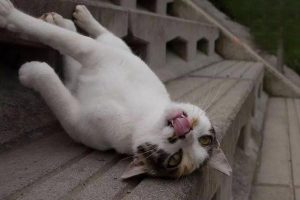
Heart Failure in Dogs and Cats
Heart failure is the syndrome in which a weakened heart cannot pump enough blood, causing congestion and poor tissue supply. It may follow severe infection, toxicity, kidney disease, or sudden exertion, and shows as breathlessness, weakness, and fluid buildup. Treatment eases the heart's workload and supports circulation.

Choosing a Quality CoQ10 Supplement for Pets
Coenzyme Q10 is a nutritional supplement that supports heart-muscle energy and reduces oxidative stress, but it is not a substitute for prescribed heart medication. When selecting one, look for independently verified CoQ10 content and a clean, naturally fermented source.

Coenzyme Q10 (CoQ10) for Dogs and Cats: Supporting Heart Health
Coenzyme Q10 is a compound central to energy production in heart muscle and an antioxidant that helps neutralize free radicals. As an adjunct to veterinary care, it is commonly used to support pets with heart disease, especially seniors and small-breed dogs at higher risk.

Can Cats and Dogs Take Propranolol?
Propranolol (Inderal) is a beta-blocker that lowers heart rate, cardiac output, and blood pressure. In pets it treats arrhythmias, supraventricular tachycardia, hypertension, and hypertrophic cardiomyopathy, and in cats hyperthyroidism. Vet-prescribed only; use caution with heart failure and drug interactions. Always consult your vet for dosing.

Diagnosis and Treatment of Feline Hypertrophic Cardiomyopathy
Hypertrophic cardiomyopathy (HCM) is a form of heart muscle disease in cats. This article lists conditions that mimic HCM, the diagnostic tests used to confirm it, including echocardiography, and the medical and home-care approaches to treatment.