Search Results
54 results for “canine tick”

How Does Dog Periodontitis Form?
Periodontitis is a chronic inflammation of the periodontal tissues. Early canine periodontitis is easy to overlook; it is usually only noticed after the inflammation spreads from the gums to the periodontal ligament and alveolar bone and develops into severe periodontitis. The condition has a formation process, and early detection and treatment are important. Read on to understand how it develops.

Signs of Periodontitis in Dogs
Unlike us, dogs are not brushed every day—often just twice a week, and some owners never brush their dog's teeth at all. This easily leads to oral diseases such as periodontitis. You may not know much about it, so let us take a closer look at periodontitis in dogs.

Is Your Dog Sick If Its Nose Is Running
A dog with a runny nose is not automatically sick - mild cases often clear up on their own, so do not panic. But watch for loss of appetite, cough, vomiting, or loose stool, which mean something more serious. The discharge type is a clue: clear watery fluid suggests a cold or rhinitis; thick egg-white mucus points to an upper respiratory infection or bronchitis; yellow-white sticky mucus signals sinusitis; pus-like, pasty discharge suggests distemper, pneumonia, or bronchitis; and blood-tinged or foamy fluid warns of lung bleeding, edema, or congestion. If it is only a simple cold, keep the dog warm, give water, and a little children's-dose banlangen or antiviral oral liquid for about three days - but stick to a child's dose.

Why Dogs Refuse to Eat
There are many reasons a dog refuses food - improper feeding, a monotonous diet, indigestion, lack of exercise, low mood, being in heat, or illness. Address the specific cause with a targeted solution. To prevent anorexia, feed sensibly, choose high-quality kibble as the staple, and vary the diet so the dog doesn't lose interest in food. Also feed on a fixed schedule and portion to build good eating habits.

What to Know Before Owning a Border Collie
The Border Collie ranks #1 in dog intelligence and is beloved, but it has high exercise and training needs. This guide covers daily exercise, vaccines and deworming, feeding, early training, and controlling salt intake.

Welsh Springer Spaniel
The Welsh Springer Spaniel is an ancient flushing spaniel, mainly found in the U.S., valued as a hardworking gun dog and a moderate-sized, affectionate companion. Its weather-resistant red-and-white coat needs sensible care.
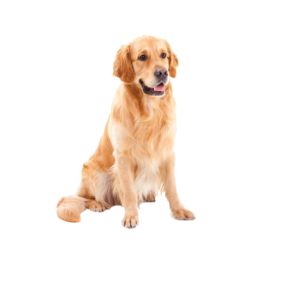
Golden Retriever
The Golden Retriever is a friendly, intelligent and devoted sporting dog originally bred in Scotland to retrieve waterfowl. Highly trainable and gentle, it is one of the most popular family companions and service dogs in the world.
My 3.5-year-old Pug had a seizure lasting over 35 minutes, rolling on the ground, foaming, dilated pupils—occurred 4 times this year, each about an hour, with smelly anal glands. What’s wrong?
Symptoms (twitching, foaming, dilated pupils, 4 times this year) match epilepsy. Epilepsy is usually incurable, hard to find cause; causes include brain infection, injury, tumor, metabolic issues, poisoning, structural abnormality; drugs/chemicals/environment may trigger. Confirm via vet; lifelong medication (phenobarbital, potassium bromide, diazepam) and check-ups needed to control seizures. Stopping treatment brings relapse; keep up meds and seek emergency care.
My dog started having seizures yesterday morning, many times, medication doesn’t help, constant drooling and circling, and not using the bathroom.
A dog's epileptic seizures usually manifest as convulsions, foaming at the mouth, involuntary movement, and loss of consciousness. Canine epilepsy is generally incurable and the exact cause is hard to find; its causes include brain infection, brain injury, brain tumors, metabolic problems, poisoning, and structural brain abnormalities. In addition, certain drugs, chemicals, or environmental factors may also trigger seizures in dogs. To confirm this condition, the owner should follow the veterinarian's advice and give appropriate help. Once epilepsy is diagnosed, the dog needs lifelong medication, re-examinations, and anti-epileptic treatment - anti-epileptic drugs include phenobarbital, potassium bromide, and diazepam. Medication controls the seizures to avoid major disruption to the dog's and owner's daily life, but in many cases the seizures return once treatment stops. Besides sticking to medication under the vet's guidance, seek timely care in emergencies and have follow-up exams to adjust the medication.

Symptoms and Treatment of Seborrheic Dermatitis in Dogs
Canine seborrheic dermatitis is linked to genetics, hormonal imbalance, nutritional deficiency and skin infection. Affected dogs often give off a distinct odor along with hair loss, mild itch, and greasy yellow buildup on the skin. This article explains the symptoms, causes and treatment.