Search Results
191 results for “canine cough”

Dog CoQ10: Test Data Beats the Hype
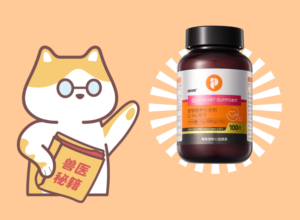
CoQ10 is a supplement, not a drug — it fuels the heart, fights oxidation, and slows myocardial aging, but it cannot replace medication for heart disease. For an 8-year-old dog that pants on walks and coughs at night, the first step is a vet, not a bottle. There is no single 'most reliable' brand, but a few practical checks separate a working product from an expensive guess. This guide lays them out.
Dog CoQ10 for Seniors and Small Breeds: A Value-Minded Guide
If your dog tires after a few steps, pants often, sleeps longer, or coughs at night, that is not laziness — it is the heart asking for help. Canine heart-disease risk climbs steeply with age (about 10% at 5–8 years, 30% at 8–10, and 45% past 13), which is why CoQ10 is a staple for senior and small-breed care. This guide explains how to judge real value instead of falling for 'cheap' placebos or overpriced imports.

Dog Panting After a Few Steps? Don’t Ignore Heart Trouble
A dog that pants heavily or struggles to breathe after only a short walk may be signaling heart disease rather than mere old age or extra weight. Key warning signs include a sudden drop in stamina, labored breathing at rest, blue-tinged gums, nighttime coughing, and lethargy. Early veterinary diagnosis and daily heart-care management can dramatically slow progression and extend your dog's life.

Leukemia in Dogs and Cats: Symptoms, Treatment, and Prevention
Leukemia is a malignant disease of the blood-forming system in which abnormal white cells flood the marrow and blood, damaging other organs. Forms include myeloid, lymphoid, monocytic, and mast-cell leukemia, and treatment is difficult, relying on chemotherapy and supportive care.
Bronchopneumonia in Dogs and Cats: Symptoms, Treatment, and Prevention
Bronchopneumonia (lobular pneumonia) is inflammation of the small airways and alveoli, marked by high swinging fever, rapid breathing, and focal lung sounds. It is treated aggressively with antibiotics, cough and phlegm control, and supportive care.
Tonsillitis in Dogs and Cats: Symptoms, Treatment, and Prevention
Tonsillitis is acute or chronic inflammation of the tonsils, causing swallowing pain, drooling, and a soft cough. More common in dogs than cats, it is treated by controlling infection and, for recurring cases, surgical removal.

Laryngitis in Dogs and Cats: Symptoms, Treatment, and Prevention
Laryngitis is inflammation of the larynx causing a harsh cough, throat pain, and difficulty swallowing. It may follow infection, irritation, or inhaled objects, and is treated by removing the cause and easing coughing and inflammation.

Aspergillosis in Dogs and Cats: Symptoms, Treatment, and Prevention
Aspergillosis is a zoonotic disease caused by several Aspergillus species. In dogs and cats it is mainly Aspergillus fumigatus infection of the bronchi and lungs, called canine/feline aspergillosis.

Streptococcal Infection in Dogs: Symptoms, Treatment, and Prevention
Canine streptococcal disease is a zoonotic illness caused by a group of pathogenic pyogenic cocci. Puppies often develop an acute septicemic course through umbilical infection. Bacteremia brings fever, catarrhal to hemorrhagic enteritis, infected inflamed umbilical sites, and joint metastasis causing arthritis, ending in septicemic death.
What should I do if my dog catches a cold?
A dog cold can be caused by chills or viral infection. Here is how to treat it and when to see a vet.