Search Results
39 results for “canine conjunctivitis”
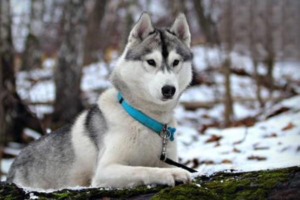
Canine Infectious Hepatitis: Can It Be Treated
Canine infectious hepatitis is an acute, often severe viral disease of dogs caused by canine adenovirus type 1 (CAV-1). It spreads through urine, saliva, and nasal discharge and hits weaned puppies hardest, sometimes with no warning signs. Typical signs include a fever that rises then falls, lethargy, vomiting, diarrhea, and a characteristic cloudy "blue eye" in about a quarter of recovering dogs. While there is no direct cure that eliminates the virus, most dogs recover with prompt supportive care such as fluids, liver protection, and antibiotics to control secondary infection. The good news is that the disease is highly preventable through routine vaccination, with puppy shots given at 8-9 and 10-12 weeks and annual boosters for adults.

Canine and Feline Nasolacrimal Duct Obstruction (Epiphora)
Nasolacrimal duct obstruction blocks normal tear drainage in dogs and cats, causing chronic epiphora (tear overflow) and facial staining. Congenital duct atresia usually needs surgical correction, while acquired obstruction from conjunctivitis or injury is managed by treating the underlying cause.
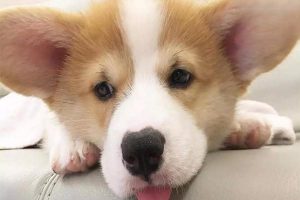
Canine and Feline Cherry Eye (Third Eyelid Gland Prolapse): Symptoms, Treatment, and Care
Cherry eye is the prolapse of the third eyelid gland in dogs and cats, appearing as a pink mass at the inner corner of the eye. Mild inflammatory cases settle with drops, but surgery is often needed to replace the gland.

Canine and Feline Blepharitis: Symptoms, Treatment, and Prevention
Blepharitis is inflammation of the eyelid margin in dogs and cats, usually from bacterial or fungal infection of overactive glands, causing redness, crusting, and often conjunctivitis. It is treated by cleaning the lid and controlling infection.
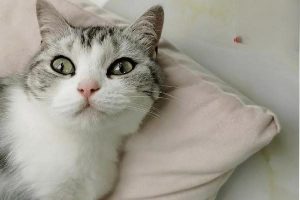
Canine and Feline Ectropion: Symptoms, Treatment, and Prevention
Ectropion is the outward turning of the eyelid—usually the lower lid in dogs—leaving the eye exposed and prone to conjunctivitis and keratitis. Mild cases need eye care; severe cases need surgical correction.

Canine and Feline Entropion: Symptoms, Treatment, and Prevention
Entropion is the inward rolling of the eyelid edge in dogs and cats, making lashes scrape the cornea and cause tearing, conjunctivitis, and ulcers. It is often surgical, especially in breeds like Shar-Pei and Chow Chow.
Canine and Feline Atopic (Allergic) Dermatitis: Symptoms, Treatment, and Prevention
Atopic dermatitis, also called allergic dermatitis, is an IgE-mediated skin hypersensitivity in dogs and cats, marked by intense itching, redness, and hair loss that often begins around the eyes, toes, and groin. Mild cases may resolve once the allergen is removed, while persistent cases need veterinary-directed anti-inflammatory therapy.
Canine and Feline Atopic Dermatitis
Atopic dermatitis is an inherited allergic skin disease triggered by inhaled allergens such as pollen, mold, and dust mites. It causes itchy, inflamed skin that often recurs seasonally, and is managed by avoiding allergens and controlling inflammation.

Canine Leishmaniasis (Kala-azar): Symptoms, Treatment, and Prevention
Canine leishmaniasis is a zoonotic protozoal disease caused by Leishmania donovani and transmitted by sandflies; dogs are an important reservoir host. It causes skin lesions, wasting, and systemic illness, and is treated with antiprotozoal drugs.

Canine Babesiosis: Symptoms, Treatment, and Prevention
Canine babesiosis is a tick-borne protozoal disease caused by Babesia species that destroy red blood cells, leading to severe anemia and hemoglobinuria. It is treated with babesiacides and supportive care, including transfusion in severe cases.
- « Previous
- 1
- 2
- 3
- 4
- Next »