Search Results
21 results for “canine coccidia”
What happens with canine coccidia infection?
Coccidia easily cause gut inflammation, with diarrhea, blood in stool, dehydration, and weight loss. Severe cases bring anemia, poor nutrition, low immunity, even death. It spreads via feces, so keep the environment clean, deworm regularly, and see a vet for abnormal signs.

What Are Feline Coccidia, Tritrichomonas, and Giardia?
Coccidia, tritrichomonas, and giardia usually cause gastrointestinal symptoms in cats, like diarrhea and blood in stool. Here's an introduction.

Canine Intestinal Obstruction: Symptoms and Treatment
Dogs swallowing foreign objects is common—some from irregular diet, some from mineral deficiency. Most cases involve toys or large indigestible food. Here's a case of obstruction from a sharp duck bone.

Canine and Feline Cryptosporidiosis: Symptoms, Treatment, and Prevention
Cryptosporidiosis is a protozoal (coccidian) infection of dogs and cats that causes acute, watery diarrhea, vomiting, and abdominal discomfort. It is most severe in young, stressed, or immunocompromised animals and is zoonotic, so hygiene is essential.

Canine and Feline Toxoplasmosis: Symptoms, Treatment, and Prevention
Toxoplasmosis is caused by Toxoplasma gondii, with cats as the definitive host; dogs and cats are often silently infected but can develop respiratory and nervous signs. It is treated with sulfonamide-based anticoccidial therapy.

Canine and Feline Coccidiosis: Symptoms, Treatment, and Prevention
Coccidiosis is caused by coccidia protozoa infecting the intestinal lining of puppies and kittens, causing watery diarrhea and, in heavy infection, bloody stool and wasting. It is treated with anticoccidial drugs and supportive care.

What to Do About Coccidia Infection in Dogs
Pet coccidia is a terrible parasite; worse is an owner who does not even know coccidia - is that you?
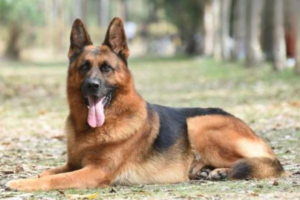
What Internal Parasites Do Dogs Have?
Probably all dog owners have seen their dog have diarrhea, bloody stool, or abnormal behavior-this may mean your dog is infected with parasites! So what are the common parasitic infections in dogs, and what symptoms usually appear after infection?

How to Prevent Recurring Gastroenteritis in Dogs
Recurring dog gastroenteritis comes from primary causes (bad food, drug reactions, irregular feeding) or secondary ones (internal parasites and viruses like distemper, coronavirus, and parvovirus). Prevention centers on keeping trash away, noting food allergies, small frequent meals with a gradual 7-day food switch, timely vaccination, and regular deworming (monthly for raw-meat diets).

Common Questions About Deworming Dogs
Internal deworming must be timely. Regular deworming is a must for every owner, because as a dog grows it inevitably picks up internal and external parasites; left unchecked, severe cases seriously threaten its health.