Search Results
72 results for “canine behavior”
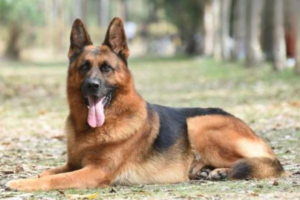
What Internal Parasites Do Dogs Have?
Probably all dog owners have seen their dog have diarrhea, bloody stool, or abnormal behavior-this may mean your dog is infected with parasites! So what are the common parasitic infections in dogs, and what symptoms usually appear after infection?

Symptoms of Urinary Tract Infection in Dogs
Dogs, like humans, can develop diseases caused by bacterial infections, such as bacterial cystitis and urinary tract infections-urinary system diseases that greatly affect canines. So how does this disease develop, and what should dog owners watch out for?

Can Dogs Get White Hair?
Today we learn that white fur on a dog can signal premature aging.
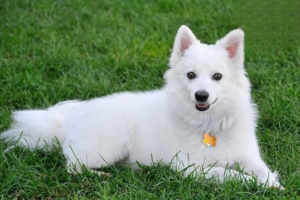
Understanding Why Your Dog Produces Excessive Eye Discharge
When inflammation occurs in a dog's eyeball or around the eye, tears or eye discharge will appear. The dog may blink frequently, lash growth can become abnormal, and dogs whose eyes are irritated will show the same symptoms.

Why Dog-Owning Families Rarely Have Unruly Kids
Today we look at why families with dogs rarely have unruly children.

How to Brush Your Dog’s and Cat’s Teeth
National Day nears; the author wishes owners a happy holiday and reminds: don't forget to spend time with your pets!

Why Dogs Love Being Hugged by Their Owners
Many dogs enjoy being hugged because it brings warmth and triggers oxytocin, the same bonding hormone humans feel. Small and insecure breeds tend to love hugs most, while independent terriers usually prefer to just snuggle nearby.

Foods Your Dog Must Never Eat
Some human foods are dangerous or deadly to dogs. Chocolate, onions and garlic, alcohol, grapes and even cat food can cause serious harm. When in doubt, skip the table scraps and stick to a proper dog diet.

Signs That Your Dog Loves You
A dog is a human's best friend - a saying most people know. So when your dog shows these behaviors, it is actually telling you that it likes you a lot!

Why Do Dogs Get Bored?
Boredom, not bad character, drives most destructive behavior. The real culprit is an under-stimulated dog — and often an owner who doesn't provide enough engagement. Crates, toys, and routine walks help.