Search Results
19 results for “can dogs climb stairs”

Early Warning Signs That Your Dog Is Sick
Older dogs show sickness through behavior: unwillingness to walk or climb (arthritis, common in Goldens, Labs, Poodles), constant thirst with weight loss (diabetes, more common in females and breeds like Samoyeds and Pugs), frequent falling or bumping (failing vision, often cataracts), and low appetite with excess drinking, vomiting, and diarrhea (kidney disease). Senior dogs can also develop dementia, raising the stakes of losing them.

How to Prevent Dog Diseases in Spring
In spring all things revive and microbes hidden in corners become active, so spring is also a season of high disease incidence.

How to Tire Out Your Dog Indoors
Mental exercise tires dogs more than physical play. Use stairs, obstacle games, hide-and-seek, and tug wisely to drain energy when you cannot go outside.

An Introduction to Corgi Lumbar Disease
Corgis are short-legged and long-bodied, so more prone to lumbar disease, even paralysis. Owners must be careful. Here is the disease.

What Happens If a Dog’s Luxating Patella Is Left Untreated?
A luxating patella is common in small breeds like Poodles, Bichons, and Pomeranians, graded I–IV. Untreated, it causes pain, swelling, arthritis, reduced mobility, and even anxiety or aggression. See a vet for rest, medication, or surgery.

What to Do About a Dog’s Herniated Disc
Intervertebral disc disease (IVDD) comes from injury, poor exercise, genetics, or lumbosacral abnormalities, and is common in dachshunds, chihuahuas, and corgis. Signs include reluctance to move, abnormal gait, and an arched back. See a vet promptly; treatment is medical or surgical.
Are Corgis Prone to Patellar Luxation?
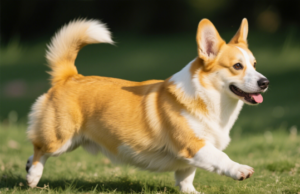
Corgis are indeed a high-risk breed for patellar luxation. Data from the Orthopedic Foundation for Animals (OFA) puts corgis in the top three among small breeds, with about 20%–30% developing some degree of the condition. The cause is twofold: a genetic mutation that leaves the trochlear groove too shallow to hold the kneecap, and a short-leg bone structure that angles the femur and tibia inward by 15°–20° more than usual, pushing the patella out of place. The problem is graded I–IV, from occasional skip-hopping to permanent dislocation. Mild cases are managed with joint supplements and limited exercise, while grades III–IV usually need surgery. Keeping the dog at a healthy weight and avoiding stairs and jumping are the best prevention.
Why Pets Gain Weight After Spaying or Neutering
An intact cat's base metabolic rate is about 30 percent higher than a neutered cat's, so the same food leads to faster weight gain after the procedure. Obesity raises the risk of heart disease, diabetes, high blood pressure, arthritis, fatty liver, and more. The fix is diet and exercise: feed timed, smaller, high-protein low-fat meals, drop the treats, and keep moving, with low-impact activity like swimming for joint-prone breeds.

Precautions for Walking Your Dog
Dogs need outdoor exercise, but it must be moderate. Three habits to avoid: walking right after a meal, making your dog jump obstacles, and using stairs as exercise. After exercise, clean the paws, and in summer offer water often to prevent heatstroke.
- « Previous
- 1
- 2