Search Results
176 results for “calm dog down”
Do Belgian Malinois bite people?
Belgian Malinois are generally gentle and rarely bite unless threatened. Correct biting behavior early in puppyhood through firm, consistent training.

Think Twice Before Getting a Chow Chow — Unless You Can Live With These Traits
Chow Chows are an ancient, lion-coated breed that is clean, quiet, and loyal, but they are far from easy to keep. Their stubborn independence makes training and walks a challenge, and as a short-nosed breed they overheat easily, drool, snore, and shed heavily while needing costly, careful grooming. They suit calm, experienced owners with patience, space, and budget — not first-time dog parents seduced by the cute 'grumpy' face.
Why is my puppy breathing rapidly?
Rapid breathing is normal after exercise or in hot weather (dogs cool via panting). But it can also signal food poisoning, chest/abdominal fluid, or bronchial pneumonia. If it persists or comes with other symptoms, see a vet.

Why Won’t My Cat Let Me Pick It Up?
A cat that resists being held may be defending its territory, be naturally independent, lack trust, dislike your handling, or be bothered by strong smells or another pet's scent. Anxiety or illness can also be the cause. Build trust with a calm voice, cozy resting spots, and regular grooming.
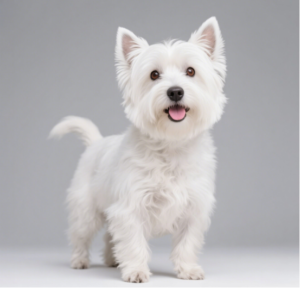
Why You Should Think Twice Before Getting a West Highland White Terrier
West Highland White Terriers are curious and energetic, which makes them champion destroyers of furniture, especially if separation anxiety sets in. Their signature white coat needs heavy upkeep: trims every 1-2 months, regular hand-stripping, twice-weekly brushing, and monthly baths. They are also known for sensitive stomachs and skin that flares up with the seasons, so diet changes should follow a gradual 7-day transition to a low-allergen food. Add a stubborn, treat-motivated temper and a purchase price of roughly 4,000-20,000 yuan plus higher grooming bills, and the Westie is best suited to experienced, time-rich owners.

Bear-Type vs. Wolf-Type Samoyed: What’s the Difference?
Samoyeds come in two popular looks: the bear-type (often called the "Australian line") and the wolf-type (the "Russian/Siberian line"). Bear-type dogs are stocky and round, standing about 53-58 cm at the shoulder and weighing 25-30 kg, with a broad, short muzzle and an extremely fluffy double coat. Wolf-type dogs are leaner and more athletic, roughly 3-5 kg lighter, with a longer, narrower muzzle, almond eyes set close together, and a sleeker, coarser coat. Temperament differences are minor and mostly shaped by socialization rather than bloodline. The most important factor when choosing a pet is matching the dog's needs to your lifestyle, not which "version" you prefer.
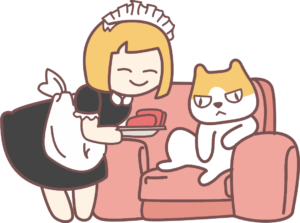
Is Your Cat Hard to Bond With? (Signs and What to Do)
A cat that seems impossible to bond with is rarely born defiant—it usually shows clear behavioral clues and a hidden reason behind them. Such a cat refuses close contact, pretends not to hear its name, guards its food, claims a corner as territory, hides constantly, or even tries to escape. The causes range from a strong independent nature and sex differences to a stray past marked by abuse or the mood swings of an unspayed cat. The fix is patience: give the cat space, build trust through food on a fixed schedule, avoid sudden stimuli, and consider pheromone sprays. Most 'untamable' cats will gradually accept you when treated with respect.

Leash Training Your Shiba Inu for Walks
Walking is a Shiba's daily must-do—exercise, mood relief, and key socialization. Adults need about an hour a day, ideally twice, with varied routes and flexible times (avoid midday summer or cold dawns). On meeting other dogs, keep the leash short and pass calmly, or ask for 'sit/down' to ease tension; let them greet by sniffing rear ends before facing each other. Teach loose-leash walking with 'come', rewarding calm steps; never yank the leash—Shibas pull against pressure. Before vaccines, carry the pup for 'preview' walks wearing a harness.
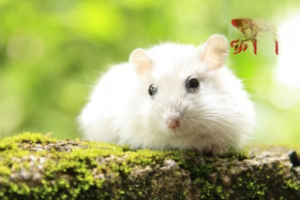
Why Is My Golden Hamster Squeaking Constantly?
Golden hamsters are normally quiet creatures that sleep by day and run on their wheel by night, so constant squeaking is a signal worth reading. It can be completely harmless—a dream, a startle, or a sulk—or it can mean real distress from illness, injury, or a perceived predator nearby. Because the tone differs between a content chirp and a pained wail, owners should learn to tell them apart. This guide covers the five common reasons a hamster cries out and when a vet visit is the right call.

The Hidden Meanings in Your Cat’s Tail
A cat's tail is a rich mood telegraph. A tail held high and quivering while the cat rubs on you is pure trust and affection (it recalls mother cats stimulating kittens to eliminate). A still tail with a hooked tip means content and relaxed; an upward wag while weaving around you is begging like a dog; a low or tucked tail signals fear; a tail sweeping the floor means alert and about to act; a puffed, thrashing tail is a clear 'back off' before attack. When the tail is perfectly still, the cat trusts you most—like family.