Search Results
1563 results for “cage size”
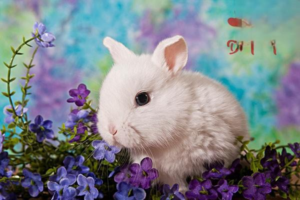
Rabbit Sore Hock: Symptoms and Treatment
Sore hock (pododermatritis) is common in rabbits — high-rate and harmful though not instantly fatal. It starts as bald, swollen, shedding foot skin, then abscesses and bleeding ulcers that spread. Cause is rough cage floors plus urine soak; treat by trimming, disinfecting, and padding, and prevent with clean, smooth cages.

Can a Hamster’s Cold Heal on Its Own?
Rarely — hamsters have weak immunity and a cold seldom clears without help; leaving it risks a life-threatening decline. Give banlangen (isatis) in cooled water 2–3 times daily, keep it warm and the cage disinfected, and see a vet if it doesn't improve in 5–7 days.

How to Prevent Miscarriage in Pregnant Guinea Pigs
Guinea pig miscarriage is common, so separate the male at once, keep the mother calm and warm, feed sensibly, avoid handling and any internal meds or deworming, and have them checked before breeding.
Which body part do rabbits use to dissipate heat in summer?
Rabbits mainly dissipate heat and sweat through the ears, regulating temperature via breathing. Cooling ability is limited; in summer keep the cage in a cool indoor spot, use AC but not direct draft. Place an ice pack in a corner; ensure enough drinking water.
My unfledged bird took a bath, caught a chill, is lethargic, fluffed up, not eating, and has black droppings—what’s wrong?
After a bath, the bird shows lethargy, fluffing, anorexia, black droppings—likely a cold. Move it to a warm, quiet place; feed easily digestible food like rice powder and provide water. Clean cage regularly. If no improvement, use antibiotics.
How can I prevent my rabbit from eating things it shouldn’t?
To keep a rabbit from accidentally eating things, first provide plenty of forage, hay, and vegetables or fruit, and you can also give the rabbit some chew sticks to prevent it from eating indiscriminately because it is too hungry or needs to grind its teeth. Second, when the rabbit is playing outside its cage, the owner must ensure the surroundings have no small objects that could be swallowed, such as wires, plastic bags, and toys. Finally, if the owner discovers the rabbit has eaten anything harmful, they should take immediate action and bring it to a veterinary hospital for examination and treatment.
My rabbit has white, foul-smelling discharge and yellow fluid around its genital area
White discharge and yellow fluid with odor from the genital area may be the doe in heat; does in heat have increased vaginal discharge, white or pale yellow, with a strong smell—normal for heat. They also show irritability, restlessness, cage pacing, stamping, reduced appetite. Observe and judge; heat lasts 3-30 days then returns to normal.
How do I care for a chinchilla?
Caring for a chinchilla is not hard: give it a spacious, ventilated, dry home with slides, climbing frames and branches for exercise; feed mainly high-quality hay and dry grains with some fresh vegetables and fruit in moderation to avoid digestion issues; clean the cage and refresh food and water regularly to prevent disease.
My hamster’s hind leg is swollen—fracture, infection, or just trauma?
Swollen hind legs have many causes: trauma or fight infection, skin disease, fracture, osteitis or other. Without knowing the injury or examining it, hard to tell from pictures. Disinfect and apply antibiotics, restrict movement and collar for a week; if no improvement, likely not simple trauma—see an exotic-pet vet for skin scraping or X-ray. Keep bedding soft and observe.
My dog keeps biting its toes and paw pads—probably itchy. What’s wrong?
From the picture it may have interdigital dermatitis, common between toes or on the paw, usually from prolonged moisture breeding bacteria, and secondary to issues like foreign bodies, trauma, demodex, food allergy or endocrine disease. Treat the underlying cause too: use an Elizabethan collar, clean with saline, disinfect with iodine, apply antibacterial ointment, and keep paws dry.