Search Results
1563 results for “cage size”
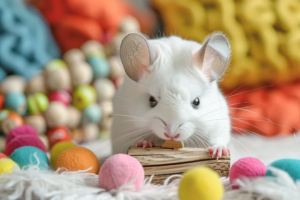
Care for a Pregnant and Whelping Guinea Pig
A pregnant guinea pig must be separated from the male — he will harass her and cause miscarriage, and mating right after birth harms her and the pups. Give her abundant food and water (especially during labor), keep the birth canal and nipples clean, check newborns, and keep the cage safe and clean.
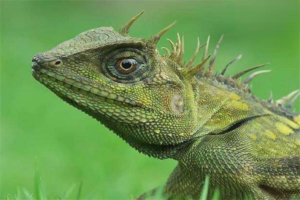
Why Won’t My Bearded Dragon Eat?
A bearded dragon may refuse food if the prey is too big or too small, if it's a picky eater, if it's unwell (enteritis or low enclosure temperature — they're cold-blooded and need ~30°C, 36-38°C by day), or if a dominant cage mate bullies it. Separate bullies and keep the temperature right.
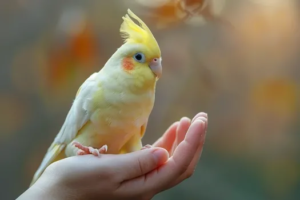
What Causes a Parrot to Shiver and What to Do
Parrot shivering usually means cold, fright, or illness such as a chill, enteritis, or diarrhea. Warm the bird and offer electrolytes for mild cases; for colds use sulfadiazine or yinqiao tablets, and for diarrhea try probiotics then oxytetracycline — see a vet if it persists.

What to Do When a Parrot Shivers
A shivering parrot is usually reacting to cold, fright, or parasites. Keep the cage above 5°C and the temperature stable, calm the bird after shocks, and watch for parasites or other illness — seek a vet if trembling is severe or the bird stops eating.

Do Rabbits Need Deworming?
Yes — pet rabbits need regular deworming even though their high body temperature limits fleas and lice; poor hygiene can still bring mites. Start at 2 months: kits 2-6 months monthly, over 6 months every ~3 months, adults every 6-12 months. Dose carefully (most products are toxic), disinfect feces with lime milk, treat all rabbits together, and sanitize the cage with boiling water or sun.

Precautions for Preventing Guinea Pig Coccidiosis
Guinea pig coccidiosis can kill within 2–4 hours, so prevention matters. Keep anticoccidial medication on hand, maintain a clean, dry habitat, disinfect the cage regularly, avoid blind dosing, and run two fecal checks after bringing a new pet home.

Golden Hamster Red Nose: Causes and Care
A golden hamster's red nose needs the cause identified before treatment. The redness can come from internal heat, skin disease, or a cold. Here are the causes and measures for a hamster with a red nose.

Rabbit Cold Symptoms and What to Do
Like other animals, rabbits can catch a chill from temperature changes or bacterial infection and rarely recover on their own. Here are the symptoms of a rabbit cold and how to help.
Rabbit Droppings Small and Very Dark: Why
Normal rabbit droppings are black-brown, oval pellets of moderate softness; their state reveals health. Here is why rabbit stools become small and very dark, and what to do.
How to Tell If a Female Rabbit Is in Heat
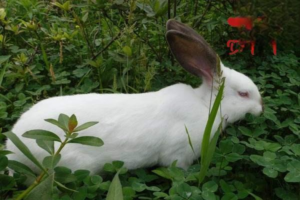
Rabbits usually start heat at 3-7 months. New owners may mistake heat behavior for illness. Here are the signs of a female rabbit in heat.