Search Results
1563 results for “cage size”

How to Raise a Myna That Isn’t Afraid of People
Mynas fear people from genetics, lack of socialization, or bad experiences. To raise a tame myna, give a safe environment, approach gradually with soft speech and gentle touch, socialize it with varied people and places, reward interaction with food or toys, and always be patient and respectful - never force contact.
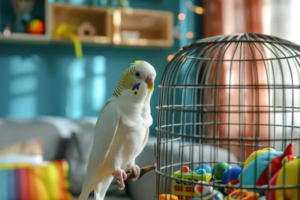
How to Care for a Lovebird
Use a sturdy metal cage (not wood - they chew and may escape), line the bottom with shavings or sand, and feed a balanced pelleted diet plus grains, fruit, and vegetables (avoid avocado and sugary or fatty human food). Feed by age - newborns every 1-2h, adults once daily - and change food and water daily. Give cooled boiled water in a shallow dish and keep them cool.
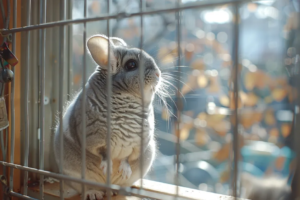
Why Is My Hamster Losing Fur on Its Belly, and What Helps?
Belly fur loss in hamsters is usually caused by a skin condition from a fungal, bacterial, or parasitic infection, but poor nutrition or abrasive bedding can also be to blame. This article covers the common causes and the practical steps and treatments to help the fur grow back.

What Do Pet Rabbits Eat, and What Equipment Do You Need?
Rabbits eat mainly rabbit pellets, alfalfa, and timothy hay, and must always have water. You'll need a cage, ball-tip bottle, food bowl, hay rack, and litter box, plus pads, deodorizer, and chew toys. This article gives a simple guide to rabbit care.

Things to Know When Caring for a Chinchilla
Chinchillas have dense fur and hate heat; around 20°C (68°F) is their comfort zone, so owners must manage both warming and cooling. This article covers the key husbandry points—environment, cage, and diet—for keeping a chinchilla healthy.

What Is Stress in Hamsters, and What Are the Symptoms?
Stress in hamsters is the body's reaction to upsetting stimuli—raised blood pressure, trembling, a racing heart, and even apparent death-feigning. Severe stress can be fatal, so avoid disturbing your hamster unnecessarily. This article explains the symptoms, risks, and prevention.

Supplies You Need to Care for a Chinchilla
A good home and the right gear are essential for keeping a chinchilla healthy. This article lists the items you'll need—cage, nest box, dust bath, feeder, water bottle, exercise wheel, bedding, and food—so new owners know what to prepare.

Causes and Treatment of Diarrhea in Hamsters
A hamster's gut is sensitive; dirty or watery food and a dirty cage can all cause diarrhea. Left untreated, diarrhea leads to dehydration and death, so don't ignore it. This article covers the causes and how to treat it.
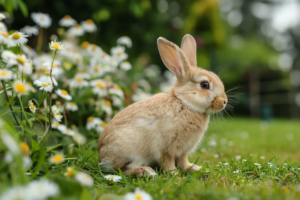
How to Care for a Dwarf Rabbit: Key Tips and Precautions
Dwarf rabbits are small, lively, and gentle, making them a favorite pet rabbit breed, but new owners often make mistakes that put the rabbit at risk. This guide covers the essential setup—cage, water bottle, litter box, diet—and the daily care rules that keep a dwarf rabbit healthy and long-lived.

Key Techniques for Raising Rabbits
Whether for meat, wool, or as a pet, rabbits need scientific care: a fiber-rich diet in small frequent meals, clean non-tap drinking water, a steady 20°C environment, and strict hygiene with 12–15 hours of light. Master these to keep rabbits healthy.