Search Results
1563 results for “cage size”
My parrot suddenly turned weird and aggressive, keeps pecking its belly feathers until it drew blood
Feather pecking with bleeding suggests feather-picking syndrome from stress, infection, or nutrient deficiency. Find the cause, treat, enrich environment, use an Elizabethan collar, and disinfect the wound.
How can a rabbit avoid diarrhea?
Keep the diet clean and avoid overly watery foods. Clean bottles and bowls regularly, limit fresh produce, and deworm to prevent gut parasites.
At what age can a young Gouldian finch bathe?
First bath about half a month after leaving the nest. Bathe at warm noon and dry in sun and shelter. Weak or sick chicks must not bathe. Place a bath dish in the cage.
When should a myna be trained to fly free?
Train free flight at about 2-3 months. After training it follows commands and gestures. Use food rewards to motivate, then practice short flights and returning to the cage.
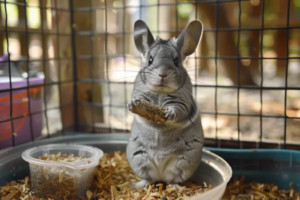
How Long Until a Chinchilla Bonds with Its Owner?
Generally a chinchilla starts to grow close to its owner after about a week, and will bond after around a month. The exact time varies by individual and environment and takes patience. To speed bonding, spend time with it, feed it by hand, and interact often so it adapts and learns to trust you.

What to Do When Your Hamster Has Yellow Watery Stool
Yellow watery stool in a hamster can come from too much moisture in food, digestive upset, or chilling. First watch the hamster's energy and appetite; if both are normal, observe a while longer. Avoid high-moisture foods like fruits and vegetables, and keep the surroundings warm. Pet probiotics can help balance the gut flora.

What Happens If a Rabbit Gets Caught in the Rain?
Rabbits tolerate neither cold nor heat, so rain easily makes them ill—soaked fur drops body temperature and invites colds and pneumonia, while dampness breeds skin infections like eczema and fungus, and chills can shut down digestion and cause diarrhea. Keep their home dry and sheltered, add warm bedding in wet weather, and watch for redness, itching, or appetite loss.
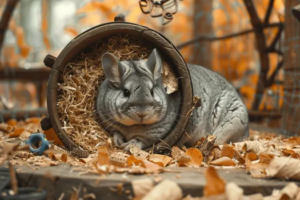
The Proper Hamster Care Handbook
New owners should pick a gentle breed like the three-lined, purple, silver panda, or pudding hamster, and check health—coordination, limbs, eyes, nose, coat—before buying. Set up a right-sized cage with bottle, bowl, wheel, toilet, bath, bedding, and nest, kept out of sun and drafts. Feed mainly lab blocks (mixed grains) with occasional vegetables, fruit, and cooked meat.

How to Feed a Guinea Pig at Every Life Stage
Guinea pigs are herbivores needing grass, greens, and water. Babies rely on mother's milk, then start grass around day 10. From 3–6 months they need more hay to wear teeth; adults need balanced hay, veg, and fruit; seniors need soft, nutritious food and extra vitamin C.

What Causes Wet Tail in Hamsters?
Wet tail in hamsters comes from dirty water, poor cage hygiene, stress and anxiety, or disease such as enteritis and parasites. The clearest sign is a wet tail plus hair loss, redness, and itching; untreated, it can ulcerate. Treatment targets the cause—warmth and cold medicine, easily digested food and probiotics for gut issues, deworming for parasites—and a clean, dry, roomy home prevents it.