Search Results
87 results for “caffeine”
How to Feed a Budgerigar at Every Life Stage
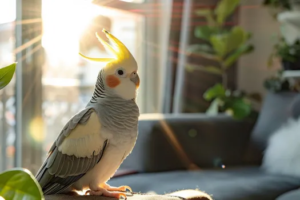
Budgerigars are social, intelligent birds, but their care changes with age. Chicks are the most fragile stage and need frequent hand-feeding with a quality parrot formula and parrot hand-feeding powder, offered in small amounts every few hours around the clock. Adults need a varied diet of grains, vegetables, fruit, and seeds plus a protein boost from boiled egg, formulated protein feed, mealworms, or beans. Through every stage, keep the cage at a comfortable 20-25 C, maintain clean food and water dishes, and allow safe supervised flight time. With the right food and routine, a budgie stays active and healthy.

What Foods Can Harm Your Hamster’s Health?
Not every food that is safe for people is safe for hamsters. Chocolate, caffeine, fatty or fried foods, sugary and salty items, and anything containing alcohol or artificial sweeteners can cause digestive trouble, obesity, poisoning, or even death. Certain fruits and vegetables, such as citrus, garlic, and onion, can also trigger poisoning or stomach irritation, while too much high-fat food may lead to obesity, liver disease, and heart problems. Hamsters need a balanced diet, and a single, repetitive food source can cause malnutrition. Learning which foods to avoid, and how to build a healthy daily menu, helps keep your small pet safe and thriving.

How to Choose the Right Snacks for Your Chinchilla
The right snacks are key to a chinchilla's health and happiness. Chinchillas are omnivores that enjoy dried fruit, nuts, vegetables, and fruit, but some foods—chocolate, onion, caffeine—are toxic and must be avoided. Choose high-quality, additive-free, natural snacks; keep portions small to prevent obesity; vary the types to hold interest; respect individual texture preferences; and stop any food that triggers vomiting or diarrhea. Snacks also double as bonding tools during gentle play.

Can Cats Eat Ice Cream
On a hot day your cat may beg for a lick of your ice cream, but it is best not to share. Ice cream is loaded with sugars a meat-eating cat does not need and cannot digest well, which strains the organs and, with its high calories, packs on weight - and cats cannot even taste sweetness, so they are really after the milk smell. Many cats are lactose intolerant and get diarrhea from the dairy. The bigger danger is flavor: chocolate holds theobromine that can poison a cat within 4-24 hours; coffee and matcha both carry caffeine that can trigger seizures and fatal breathing failure. Skip the scoop and keep your cat to its own treats.

Can Pets Take Human Medicine?
When a pet falls ill, many owners reach for human medication, but giving pets human drugs is dangerous and has caused countless fatalities. There is a real difference between human, animal, and pet formulations. This article explains why human medicine can be fatal to pets, how dosages misfire, and the risk of drug resistance, and reminds owners to consult a vet instead.

Ten Foods That Are Toxic to Cats
Cats are curious eaters, and many common human foods are dangerous for them. This list covers ten items to keep away from your cat: grapes and raisins (kidney failure), chocolate (a toxin that hits the digestive system, nerves, and heart), caffeine, too much organ meat (calcium deficiency and mobility problems), tomato leaves and stems, mosquito-coil liquid (a surprising summer respiratory hazard), fish bones (choking and perforation), onions and leeks (red-blood-cell destruction), persimmon seeds (blockage and enteritis), and raw seafood (vitamin B deficiency and hind-leg paralysis). Knowing these helps you prevent accidental poisoning.

How to Manage Chronic Indigestion in Dogs
Recurring indigestion in dogs is often linked to poor diet, food allergies, or conditions like gastroenteritis. Managing it starts with the right food: choose an age- and health-appropriate dog food, avoid greasy, spicy, or irritating human foods, and add vegetables, fruits, and fiber to support gut movement. Probiotics or digestive enzymes can aid digestion, while clean bowls and fresh water prevent contamination. Feed smaller, more frequent meals, transition diets gradually, and take your dog for a gentle walk about half an hour after eating to stimulate the gut. Persistent or worsening signs warrant a veterinary visit.

How to Care for a Pekingese
The Pekingese—also called the Lion Dog or Beijing Dog—is a tiny, sturdy, ancient companion breed with a devoted, loyal nature and relatively simple care needs. Provide a warm, comfortable bed and a steady routine for eating, sleeping, and toileting. Feed a balanced diet of quality kibble plus safe additions like cooked vegetables and lean meats, and avoid onions, garlic, spicy or salty food, cold leftovers, raw meat, and caffeine. Groom daily, clean the eyes, ears, and paws weekly, brush the teeth several times a week, and bathe as needed to prevent skin and parasite problems.
Which human medications can kill a dog quickly?
Several human medications are toxic enough to kill a dog at sufficient dose. Acetaminophen cold medicines can cause liver necrosis, vomiting, rapid breathing, and abdominal pain, fatal if untreated; caffeine- and pseudoephedrine-containing drugs can trigger racing heart and seizures. NSAIDs (ibuprofen, aspirin), benzodiazepine sleep aids, and strychnine-containing herbal medicines can also cause sudden death.
Budgerigar
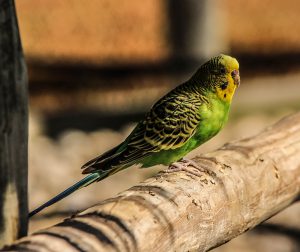
The budgerigar (Melopsittacus undulatus) is one of the most common parrots worldwide and a favorite first bird for many homes. Though its call is unremarkable, its beautiful, varied plumage and easy care make it beloved; with good keeping it can live 10 to 20 years.