Search Results
8 results for “budgerigar age”

How to Feed a Budgerigar at Every Life Stage
Budgerigars are social, intelligent birds, but their care changes with age. Chicks are the most fragile stage and need frequent hand-feeding with a quality parrot formula and parrot hand-feeding powder, offered in small amounts every few hours around the clock. Adults need a varied diet of grains, vegetables, fruit, and seeds plus a protein boost from boiled egg, formulated protein feed, mealworms, or beans. Through every stage, keep the cage at a comfortable 20-25 C, maintain clean food and water dishes, and allow safe supervised flight time. With the right food and routine, a budgie stays active and healthy.
How to Tell a Budgerigar’s Age
You can estimate a budgerigar's age from a few clues, though none are exact. Younger birds have paler feather color, clear black pupils, soft skin around the beak, and are lively and active, while older birds show deeper color, cloudier pale pupils, dry beak skin, and a calmer, stiller manner. Adjust care by life stage: chicks need warm, frequent feeding, fledglings need flight exercise and varied food, and adults need balanced diet and regular veterinary checks.
How to Keep a Budgerigar Warm in Winter
Budgies tolerate cold poorly, so act quickly when temperatures drop. Provide a warm, draft-free cage, extra high-energy food and warm water, steady light, and close daily observation so illness is caught early.

Do Budgerigars Tolerate Cold Weather
Budgerigars are sensitive to cold and cannot survive below 5 C, so keep the room above that in winter. Move the cage indoors and, if needed, use an incandescent lamp or heater. Feeding more oil-rich seeds like peanuts and sunflower helps them build fat reserves. Lower the bath frequency in cold weather, bathe only in warm water, and if a bird catches a chill, keep it warm and use an antibiotic as directed. Good hygiene supports recovery.
Budgerigar
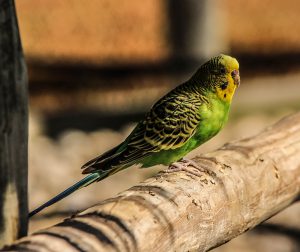
The budgerigar (Melopsittacus undulatus) is one of the most common parrots worldwide and a favorite first bird for many homes. Though its call is unremarkable, its beautiful, varied plumage and easy care make it beloved; with good keeping it can live 10 to 20 years.
How do I bathe a budgerigar?
To bathe a budgerigar: pick a sunny afternoon with a warm room, fill a spray bottle with water, and lightly mist its back and sides until the feathers are damp; the bird will then preen and clean itself. You can also place a shallow basin of water (no deeper than its belly) in the cage and let it bathe on its own, then remove the basin promptly to avoid excess cage humidity.
What Happens When a Budgie Is Overweight?
An overweight budgerigar suffers in health, mobility, and quality of life, and its social behavior and breeding ability can suffer too. Extra weight weakens flight, strains the joints (raising arthritis risk), and invites high blood pressure, heart disease, and fatty liver or diabetes from a high-calorie diet. Obese birds may also be bullied by flock mates and struggle to breed. Owners should manage weight with a balanced diet, fewer high-fat foods, more fiber, and ample exercise space with perches and toys. Only a healthy budgie shows its best colors and enjoys a full, happy life.

Pacific Parrot: Traits and Care
The Pacific parrot (or Pacific parakeet) is among the smallest parrots, only about 12 cm long and 30 g, earning the nickname "pocket parrot." Mostly green or blue, it is gentle, cute, and not very destructive, and can even learn a few words. In the wild it flocks and eats seeds, berries, and fruit; in captivity it needs a small cage, mixed seed or pelleted food, baths, and sunlight. Breeding runs January to May with four to six eggs.