Search Results
68 results for “bronchitis in dogs”
What Happens If a Dog Breathes Smoke Long-Term?
Inhaled smoke harms a dog's sense of smell and damages the respiratory and cardiovascular systems, raising risks of bronchitis, pneumonia, high blood pressure, heart disease, skin problems, and cancer—much like secondhand smoke in people. Avoid smoking indoors for the dog's and family's sake.

Dog Nasal Congestion: Symptoms and Causes
Dog congestion shows as troubled breathing, low energy, watery eyes, poor appetite, and a changed voice; colds add coughing, sneezing, and fever. Causes include viral infection, bronchitis/rhinitis, or blockage (tumor, sand). Check the nose, rinse with 3% boric acid per vet advice, and see a vet if it persists.
What happens if a dog’s respiratory infection becomes severe?
A severe respiratory infection can cause a range of complications: inflammation of the trachea, bronchi, or lungs leading to difficult breathing, constant coughing, rapid breathing, and reduced stamina. It may also cause fever with lethargy, poor appetite, and low energy, and prolonged high fever can damage the nervous system and leave sequelae. Repeated or long-untreated infections may become chronic, such as chronic bronchitis or pneumonia, affecting quality of life and lifespan.
What happens if a dog is exposed to smoke?
Smoke harms dogs' lungs and hearts and can poison them with nicotine. Avoid exposing dogs to tobacco smoke.
What happens when a dog catches a cold?
Dog colds cause sneezing and cough; mild ones self-resolve, but weak dogs may get fever or secondary pneumonia. Treat promptly.
My dog had a fever yesterday, would not eat or drink; after a penicillin shot it improved, ate a little, then this morning vomited yellowish fluid and ran a fever again.
Recurring fever has many causes, including distemper, babesiosis, toxoplasmosis, pneumonia, and bronchitis. Get a thorough vet exam to find the cause and treat it specifically; treating only the symptom risks recurrence and delay. Accurate diagnosis is essential.
My dog Wangcai keeps panting heavily
Panting is either physiological or pathological; if long-lasting it is usually pathological: heart disease in old/obese dogs, lung infection, heartworm, or abdominal pain/fever. Press the belly and check temperature, then see a vet.
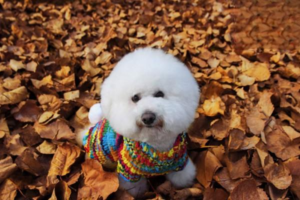
Bichon Frise Coughing After a Cold: What to Do
The Bichon Frise is a common small dog that is usually sturdy as an adult, but if a cold turns into a persistent cough it may mean a secondary infection or even a viral infection. Here are the causes and solutions for a Bichon that keeps coughing after a cold.
What does a dog’s dry cough and retching mean?
Intermittent dry cough and dry heave may be a respiratory infection, but esophagus injury or parasites are possible. Causes include cold, bronchitis, tracheitis, pneumonia. Signs are weakness, poor appetite, dry cough, retching, sometimes fever. See a vet if uncertain.
Can I ask about a dog? A 9-year-old unspayed female Teddy that recently drinks a lot, coughs after exercise, and coughed all day today.
Cough after exercise or drinking in an old female is likely heart issues (airway compression) or pneumonia/bronchitis/pulmonary edema with phlegm. Being senior, heart/lung disease is likely; get a vet check for the cause.