Search Results
7 results for “breed suitability”

Venezuelan Sun Tiger
The Venezuelan Sun Tiger (Psalmopoeus irminia) is an arboreal, fast and aggressive New-World tarantula from Venezuela, with striking red-on-black leg markings. An advanced-species spider, not for beginners.
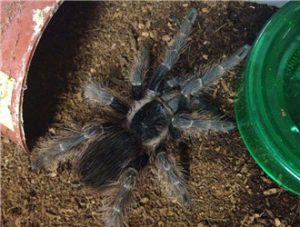
Brazilian Orange Tarantula
The Brazilian orange tarantula (Nhandu carapoensis) is a large, striking New-World tarantula from the Brazilian rainforest. Its urticating hairs are more irritating than most and it is nervous and quick to kick hair, so it is best left to experienced collectors rather than first-time keepers.

Brachypelma sabulosum
The Guatemalan Red Rump Tarantula (Brachypelma sabulosum) is a docile, beginner-friendly spider from Guatemala, similar to the Mexican Red Rump but larger. Easy to keep with modest humidity needs, it is an excellent first tarantula.

Giant Baboon Spider
The Giant Baboon Spider (Hysterocrates gigas) is a large, rust-colored African tarantula famous for changing its coloration with every molt. A fast-growing but aggressive burrower best left to expert keepers, females can live around 16 years.

Brazilian Black and White Tarantula
The Brazilian Black and White Tarantula (Brazilopelma colloratovillosum), also called the Brazilian Black and White, is a fast-growing terrestrial tarantula from Brazil's rainforests. Reaching a 16–17+ cm leg span, it is relatively docile and a good choice for beginners, though it will kick profusely if startled.
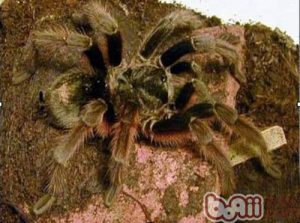
Brazilian Coffee Tarantula
The Brazilian Coffee Tarantula (Acanthoscurria suina), also known as the Argentine Coffee, is a ground-dwelling species from Argentina and Uruguay that favors subtropical grassland. With a mild temperament, slow speed, and modest size, it is often recommended as a good starter tarantula for beginners.

Acanthoscurria insubtilis
The Bolivian whitefront (also called the Bolivian whiteknee), Acanthoscurria insubtilis, is native to Bolivia. A slightly moist substrate of peat blocks or coconut fiber is recommended.