Search Results
106 results for “breed standards”
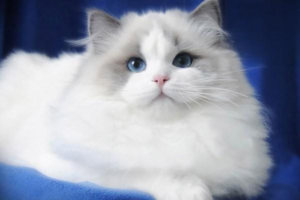
A Cat’s Nutritional Needs and Feeding Standards
A cat's nutrients are the same six classes as other animals: water, protein, carbohydrate, fat, vitamins, minerals. But cats are obligate carnivores needing high-protein food; low protein kills appetite. Active cats may need more animal fat for energy. Cats also need taurine, vital to vision—deficiency badly hurts night vision.

Cat Obesity: Standards, Causes, and How to Help Your Cat Lose Weight
A cat is overweight above 10-20% of ideal weight and obese above 20-30%. Causes range from genetics to overfeeding; weight loss means burning more calories than consumed via diet and exercise.

What Breed Is ‘Home’s Naughty Dog’? The Bull Terrier
Many who watched the anime 'Home's Naughty Dog' know this dancing, drinking, lovable dog is the English Bull Terrier. With its silly look, small eyes and big mouth, always seeming to smile, it is so endearing that one can't help wanting to adopt one.
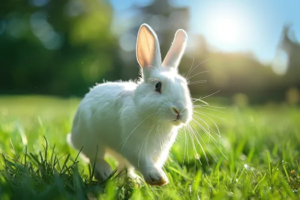
How to Manage a Breeding Buck Rabbit
A breeding buck must be purebred, healthy, and produce high-quality semen, which requires complete nutrition, proper body condition (about 70 to 80 percent fill), and rational use, roughly a 1:8 to 10 buck-to-doe ratio with limited daily matings. House bucks singly, mate in the buck's cage, and check reproductive health before each pairing.

How to Prevent Repeat-Breeding Infertility in Female Rabbits
After reviewing the causes of repeat-breeding infertility in does, this article shares concrete prevention methods — from feeding and buck management to toxin control — to help improve rabbit conception rates.
What are the show-grade standards for pet dogs?
Show-grade dogs must be purebred with certified pedigree and chip; match the breed standard (color, bite, build); be healthy (no monorchidism, no joint issues); have no forbidden alterations (dyeing, docking, cropping); and have a sound temperament (no congenital fear or aggression).

standardschnauzerterrier
The Standard Schnauzer, also called the Schnauzer, originates in Germany and is a medium-sized, sturdy, energetic dog with a square build. Its dense, harsh, wiry coat and bent eyebrows with bristly whiskers are hallmark traits of the breed.

Key Points for Selecting Breeding Rabbits
Breeding stock is the core of a rabbitry, so selection must be planned and scientific. For meat rabbits check growth, feed conversion (2.8–3.2:1), conception rate (≥85%), litter size (≥6–8) and weaning survival (≥80%). For wool rabbits judge yield, density, length and evenness; for rex rabbits judge color purity, fur that is short, flat, fine, dense and secure, and adult weight above 3.5 kg. Always verify the animal's health.
How do I choose a Chow Chow?
Pick a Chow Chow by checking it meets breed standards (features, proportions, coat), is healthy (clear eyes/nose, clean ears, no hair loss or skin disease, alert, normal appetite), and is 3-5 months old with full vaccines and regular deworming.
What if a Samoyed is not purebred?
If a Samoyed is not purebred, it may simply look or behave a bit differently and still make a loving pet, though it may not match breed standards for appearance or temperament. Mixed breeding is not a health problem by itself.