Search Results
316 results for “bowls”

How to Choose, Clean and Disinfect Your Dog’s Bowls
A dog needs two bowls — one for water, one for food. Pick the shape by face type (shallow and wide for flat faces, deep for long muzzles, small-opening or raised for long ears) and the material in the order stainless steel > ceramic > glass > plastic. Rinse the water bowl daily, wash the food bowl after meals, and disinfect everything weekly in boiling water or a mild disinfectant.
How long after disinfecting a dog’s bowls can they be used?
Dog bowls can be disinfected by boiling; after cooling they are reusable. Disinfect weekly by boiling 30 minutes, or use 0.1% disinfectant or 3% hot alkaline water, then rinse well so the dog does not ingest it.
My dog is 6.5 years old. Two nights ago after a normal meal it cried for water at midnight and drank four bowls, then the next day started vomiting, stood unsteadily with its tail tucked, and seemed about to collapse, not eating or drinking for two days. Now it exhales heavily and lies motionless – this has lasted a day and night. What should I do?
If from overeating, use probiotics and an antiemetic; if no improvement, it may be more than gas - see a vet for imaging. Gentle belly rubs help at home.
Choosing the Right Food and Water Bowls for Your Cat
Bowls come in ceramic, plastic, and stainless steel; a wooden stand with ceramic is the classic best choice. Ceramic resists heat and bacteria and is heavy enough not to slide; pick a wide rim (wider than the cat's whiskers) and a stand to raise it. Plastic is fine for travel but breeds bacteria and can leach into food, so avoid long-term use. Stainless is easy to clean but trace chromium/nickel can dissolve from salty food and may trigger allergies. Skip automatic feeders and fountains except for long trips—cats prefer fresh daily water and the bonding of hand-feeding.

How Dirty Are Your Pet’s Food Bowls?
In pet homes, your pet's food bowl and toys may be dirtier than your toilet. Here is what the bacteria numbers show and how often to clean.

How Often to Wash Your Cat’s Food and Water Bowls
Bacteria build up fast on cat bowls and can reinfect your pet and your family. Washing both food and water bowls daily, choosing ceramic or stainless steel, and refreshing water often are the simplest preventive habits.

Is a Cat’s Yellow Urine Just ‘Heat’?
Yellow, thick cat urine has several causes, not just heat — low water, pigments, liver disease, or a spraying tom. This guide covers the four common ones and when to see a vet.
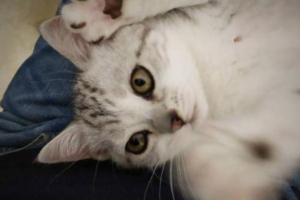
What Causes a Cat’s Black Chin?
A black, greasy chin hurts a cat's looks and is usually cat acne. This article explains what causes it so you can address it.
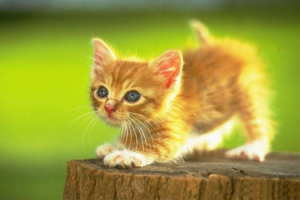
What to Do About a Cat’s Black Chin
A greasy black chin is likely cat acne (folliculitis) and needs prompt treatment. This article covers treatment and prevention of cat acne.

Common Diseases Dogs Can Pass to Humans
Zoonotic risks from dogs include ringworm (fungal), salmonella and helicobacter (bacterial), and fleas, mites, or ticks (which spread Lyme disease). Deworm inside and out, and see a doctor if you show signs.