Search Results
607 results for “bone health”
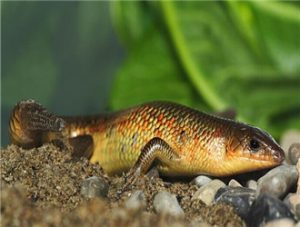
Chinese Skink (Chinese Blue-tailed Skink)
A robust, shiny-scaled ground skink from East Asia - hardy, active, and a good candidate for a planted terrarium.
Chinese Water Dragon
A vivid green, semi-arboreal Asian lizard that loves to bask and dive into water - active, attractive, and a step up from beginners.
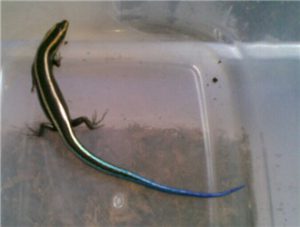
Four-lined Skink (Blue-tailed Skink)
A slender, striped skink with a bright blue tail as a juvenile - an active, insect-eating lizard that suits a planted terrarium.
What Happens If a Teddy Bear Dog Gets No Sunlight?
Long absence of sunlight can cause vitamin D and calcium lack in Teddy dogs, risking rickets and osteoporosis. Sun also steadies mood and the body clock, supports immunity, and keeps skin and coat healthy by killing germs.

How to Properly Supplement Your Dog’s Calcium
A dog's calcium shortfall often traces back to poor absorption or conversion rather than diet alone, so the underlying cause has to be found before any supplement will help. Feed a quality diet, encourage sunlight and gentle exercise, and turn to dog-specific calcium products only once a true deficiency is confirmed.

When Does a Dog Need Calcium Supplements?
Most adult dogs on a balanced diet already get enough calcium, but puppies, pregnant or nursing mothers, and seniors need supplements. Puppies risk double rows of teeth and bowed legs, mothers risk postpartum tetany from low blood calcium, and seniors lose bone density — yet over-supplementing harms them too, so confirm with a blood test first.

6 Common Vegetables That Are Dangerous — Even Fatal — for Dogs
Dogs are omnivores that can safely eat most common vegetables in moderation (keeping them under 25% of the diet), but several everyday ones are off-limits. Beyond the well-known onion, celery, bean sprouts, tomatoes, mushrooms, peas, and especially chives can cause anything from digestive upset to life-threatening poisoning. When in doubt, leave the vegetable out of the bowl.

How to Care for a Pregnant Rabbit
A pregnant doe needs rising nutrition — especially in late gestation — to support embryos and later milk production, with green feed increased and concentrate eased only in the final three days. Handle her gently to avoid miscarriage around days 15–20, house her alone in a quiet, dry space, and disinfect the nest box before birth.

The Secrets to Helping Your Dog Live Longer
A dog's lifespan is shaped first by body size—small breeds age slower than large ones—and then by the care it gets, with diet at the center. The core idea is to curb chronic inflammation through food: cut excess omega-6 and starch, and add omega-3, antioxidants, and compounds like sulforaphane and polyphenols that fight cellular aging.

A Complete Guide to Spaying or Neutering Your Cat
The best time to neuter is after sexual maturity, around 5 to 6 months, with a vet check and blood work first. Weigh the real benefits, fewer cancers and roaming, against risks like weight gain and anesthesia, and follow strict after-care to heal cleanly.