Search Results
607 results for “bone health”
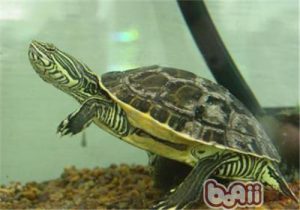
Eastern Chicken Turtle
The Eastern Chicken Turtle is uncommon in China, as its plain appearance is not popular, and as a tropical species it is rare in cold regions.
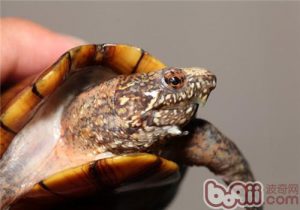
Kinosternon acutum (Tabasco Mud Turtle)
The Tabasco mud turtle (Kinosternon acutum) is a medium-sized mud turtle prized for its vivid head striping, found mainly in the Mexican Caribbean lowlands. It is rarer than the narrow-bridged musk turtle and seldom seen on the market.

Northern Australian Snapping Turtle
The Northern Australian Snapping Turtle (Elseya dentata) is active from April to October, foraging along the bottoms of waterways in warm months. If its habitat dries up, it migrates over land to permanent water or burrows into mud to estivate; remarkably terrestrial, many are killed crossing roads.

Hilaire’s Toadhead Turtle
Hilaire's Toadhead Turtle (Phrynops hilarii) is a side-necked turtle in the toadhead genus, strongly affected by ambient temperature and closely tied to it in behavior. Delicate and hard to keep in captivity, it is not recommended as a first turtle.

Exotic Shorthair
The Exotic Shorthair — everyone's "Garfield cat" — pairs the Persian's plush look with a short, easy-care coat. Sweet, calm, and affectionate, it's one of the most laid-back cat breeds to live with.

Golden Python
The Golden Python is a patternless, leucistic morph of the Burmese python (Python bivittatus), prized for its uniform golden-cream coloration. Wild-type individuals cannot survive in nature due to a lack of protective melanin, so every specimen in captivity is captive-bred. A large, heat-loving constrictor, it needs steady temperatures of 26–33°C, regular soaking to aid shedding, and a diet of whole rodents or rabbits.

Rheumatoid Arthritis in Dogs and Cats: Symptoms, Treatment, and Prevention
Rheumatoid arthritis is a chronic, immune-mediated, erosive polyarthritis, often in small and toy breeds between 8 months and 9 years. It causes recurring lameness, stiff swollen joints, fever, and poor appetite, and can end in joint deformity. Treatment relieves pain, controls inflammation, and protects joint tissue.

Hip Dysplasia in Dogs and Cats: Symptoms, Treatment, and Prevention
Hip dysplasia is a hereditary developmental disorder of the hip joint influenced by genetics and environment, common in large breeds such as shepherds and setters. Progressive laxity and deformity cause lameness, reluctance to rise, and a characteristic 'bunny-hopping' gait; management is conservative with weight control and pain relief, and surgery is considered case by case.

Elbow Dysplasia in Dogs and Cats: Symptoms, Treatment, and Prevention
Elbow dysplasia is a group of inherited developmental elbow joint diseases - ununited anconeal process, fragmented medial coronoid process, and osteochondritis of the medial humeral condyle - driven by genetics and rapid growth. It causes forelimb lameness, a reluctance to walk, and sometimes a crackling joint sound. Weight control, pain relief, and surgery in severe cases are the mainstays.

Patellar Luxation in Dogs and Cats: Symptoms, Treatment, and Prevention
Patellar luxation is displacement of the kneecap out of its trochlear groove, common in small breeds such as Toy and Pomeranian dogs and usually from a congenital conformational defect or trauma. It causes a sudden inability to extend the knee and a skipping, hopping gait that may self-correct. Mild cases are managed conservatively; severe ones need surgery.