Search Results
1199 results for “body temperature”
Is a Cat Bed a Must-Have or Just a Gimmick?
A cat bed isn't a gimmick, but it's not strictly necessary either — it depends on the cat. A good bed gives a sense of security and warmth in winter, beyond just a place to sleep. If your cat ignores the bed, don't force it; a box, blanket, or pet mattress works too. Choose soft, warm, breathable natural materials like short plush or felt, and pick a size about 1.5 times the cat's body length — cats like a snug wrap and a too-big bed feels insecure.
Is Tapioca Starch in Cat or Dog Food a Problem?
Tapioca starch (from cassava, a tropical root) in pet food is normal and usually fine in moderation. It helps kibble hold its shape, provides energy, and lowers cost. If it sits near the top of the ingredient list, though, protein may be lacking — and since cats are obligate carnivores and dogs are meat-based omnivores, long-term high-starch diets cause muscle loss and weaker immunity. The 'tapioca is toxic' worry is a myth: raw cassava contains cyanogenic glycosides, but proper soaking, cooking, and drying remove them, and high-heat pet-food processing destroys what remains.

Why Is Your Dog Suddenly Shivering?
A dog that suddenly shivers may be afraid, over-excited, cold, unwell, or poisoned. Fear and excitement are normal responses that pass on their own, while cold calls for warmth. Persistent or repeated shivering can signal illness such as neuromuscular disease, chronic kidney failure, or distemper, and shivering soon after eating may mean toxin ingestion like chocolate or grapes. Calm a frightened dog, warm a chilled one, and see a vet if the shaking continues, comes with other signs, or follows a suspect meal; teach a 'leave it' cue to stop scavenging.

Summer Dog-Walking Survival Guide (With Heatstroke First Aid)
Dogs have almost no sweat glands and cool mainly by panting, so above 28 C their cooling efficiency drops below a fifth of ours, and asphalt can hit 57 C while a dog's belly, only 20-30 cm off the ground, breathes air 5-8 C hotter. That makes summer walks risky. Walk before 7 a.m. or after 8 p.m. in shaded parks or grass, carry a folding bottle and offer water every 15 minutes, and cap time by breed, short-nosed dogs under 15 minutes in shade, sport breeds rest 5 minutes per 10 of exercise, small dogs under 10 minutes several times a day. Heatstroke can reach organ failure in 30 minutes; early signs are heavy panting, dark purple tongue, thick drool, then staggering and vomiting above 40 C, and seizures or coma with up to 80% death if untreated. First aid: move to shade, wipe groin/armpits/neck with room-temp water, give small sips if awake, keep head low, and rush to a vet.

Which Dog Breeds Tolerate Cold Best?
Breeds with strong cold tolerance include Labrador Retriever, Tibetan Mastiff, Alaskan Malamute, Samoyed, and Husky. Their dense coats and thick fat layer shield them from cold and keep them comfortable in winter, but they are prone to heat and need cooling in summer. Owners should not overestimate this trait, since a cold-tolerant dog raised in warm regions may lose some of its resistance.

Why Does Your Cat Stick Out Its Tongue?
Cats stick out their tongues for many reasons, including cooling down, cleaning the mouth, relaxation, and illness, or simply as a normal habit. They pant lightly to release heat through tongue vessels, and their barbed tongues groom the body and clear food and bacteria from the mouth. Frequent or long-lasting tongue-out behavior, though, can signal a health problem worth checking.

Why Won’t Your Cat Let You Touch Its Paws? (And How to Trim Nails)
A cat's paws are vital tools for hunting, defense, climbing, and sensing, and the hunting instinct remains even in pets, so a paw grab can feel like a threat. Paws also carry five times the nerve endings of a human fingertip and hold scent glands in the pads used to mark territory, making them extra sensitive. If a usually tolerant cat suddenly refuses paw contact, suspect pain from interdigital dermatitis, a paw injury, or arthritis, and watch for limping, obsessive licking, red swollen pads, or stiff wrists. A gradual, reward-based training plan helps most cats accept handling, but always stop if the cat shows stress.

New Puppy Has Soft Stools or Diarrhea at Home? Don’t Panic
A puppy that develops soft stools or diarrhea within two days of arriving home is common and usually a stress reaction, sudden food change, or temperature swing, especially in weak pups from poor breeding sources. Their digestive systems are immature and easily upset. The right response: keep the environment calm and warm, stop switching foods, and feed only what the breeder used, in 4-5 small meals a day, or a bland congee of lean meat, chicken, or millet. A pet-specific live probiotic helps restore gut balance. If it persists, see a vet to rule out parasites or infections like parvovirus, which bring lethargy, vomiting, and fever.
Signs That a Hamster Is Pregnant
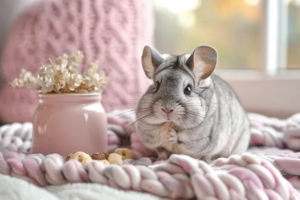
Knowing whether your hamster is pregnant helps you care for her and prepare for pups. Around days 15 to 20 the belly visibly swells as the fetuses grow, and by days 20 to 25 clear mammary bumps appear, the so-called 'double button,' often with early milk. Appetite rises because she needs more nutrition, while the heavier belly reduces her activity and she may seem lazy, which is normal. In late pregnancy she shows nesting behavior, tidying the nest for the babies. Support her with rich, varied food such as hamster mix, mealworms, vegetables, and fruit, plus pregnancy supplements like protein and vitamins, keep the nest clean with stable, comfortable temperatures, watch her body and mammary development, and set up a warm, dry, roomy birthing box in advance. After birth, monitor the pups' growth and nursing so any problem is caught early.

Cat Won’t Drink in Summer? 8 Tips to Get It Drinking on Its Own
A healthy adult cat needs about 50-60 ml of water per kg of body weight each day, but dry kibble is only around 5-10% moisture, so summer drinking matters even more. Cats sweat only through their paw pads and ears and cool poorly, so low intake risks heat stress. Practical fixes: use a shallow ceramic or glass bowl (deep bowls annoy whiskers), offer a filtered running-water fountain, keep bowls over 1.5 m from the litter box and place several around the home, rehydrate freeze-dried food, serve wet food in the evening, and offer unsalted broth a few times a week. Senior, obese, and chronically ill cats need closer monitoring for dehydration.