Search Results
4 results for “body condition score”
Symptoms and Treatment of Obesity in Cats and Dogs
Obesity is a nutrition disorder; by international standard, 10 to 15 percent over ideal weight counts as obese, and a body condition score gives a clearer read. In developed countries 10 to 40 percent of dogs and over 20 percent of cats are obese. Causes split into simple obesity from genes, overfeeding, and little exercise, and secondary obesity from hormone or endocrine disease. Diagnosis uses exams, body scoring, and lab work, and treatment is diet, more exercise, and managing any underlying disease.

How Fat Is Too Fat for a Cat, and Does Meat Make Cats Fat?
Judging whether a cat is overweight comes down to body shape, not the number on a scale — breeds and builds differ, so compare body condition, not weight. Using a 1–10 body-condition score, you can feel the spine and ribs and watch the waistline: 1–2 is very thin, 5–6 ideal, 9–10 obese. A cat's saggy belly 'primordial pouch' is normal and not a sign of fat. As obligate carnivores, cats digest meat efficiently and grow lean and strong on it; what causes obesity is hard-to-digest, starchy, sugary food — not meat.
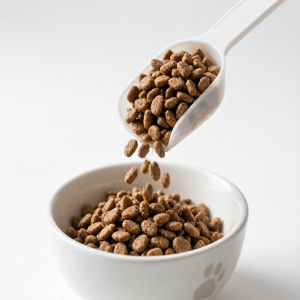
How Much Cat Food Should a Cat Eat per Day
A growing kitten's (weaned to 12 months) nutritional needs have two parts: the energy and nutrient base for rapid tissue growth, and the maintenance needs similar to adult cats. Too little slows growth; too much causes obesity.

How to Help Your Cat Lose Weight
Obesity crosses species — and it harms a cat's heart, lungs, joints, and lifespan. The plan is simple: 'eat less, move more,' guided by a calorie formula and a safe, slow pace of about 1% of body weight lost per week.