Search Results
98 results for “blue eye”

Three-striped roofed turtle
The giant roofed turtles (including the Burmese, Red-crowned, and Three-striped roofed turtles) are large, rare Asian river turtles that need spacious outdoor ponds with basking sites. Timid yet personable, they require warm water and careful temperature gradients to stay healthy.

Bengal Roof Turtle
The Bengal Roof Turtle (also called the Red-crowned Roof Turtle) is a Critically Endangered Asian river turtle famed for the brilliant red, white, and blue courtship colors of mature males. Rare in captivity and heavily protected, it needs pristine filtered water and warm temperatures, and is mainly herbivorous as an adult.

Tiliqua nigrolutea
The blotched blue-tongued skink (Tiliqua nigrolutea) is found in southeastern Australia and Tasmania, feeding on insects, land snails, flowers, and fruit. A terrestrial skink that adapts well to captivity, it needs a temperature gradient of 22-32 deg C and humidity of 50-80%.

Gumprecht’s Green Pit Viper
Gumprecht's green pit viper (Viridovipera gumprechti), described in 2002, is a large, vividly green arboreal pit viper of Thailand, Myanmar, Vietnam and Yunnan reaching 130 cm. Sexually dimorphic and venomous, it feeds on small mammals, birds and lizards.

European Green Lizard
The European green lizard (Lacerta viridis) is a bright green lizard of European grasslands and hedgerows. Males show a vivid blue throat in the breeding season, while females may be brown or green; being territorial, they are best kept in pairs with ample space.
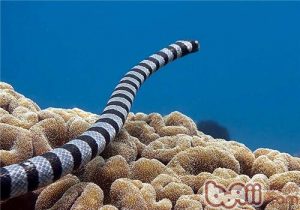
Yellow-lipped Sea Krait
The yellow-lipped sea krait (Laticauda colubrina) is a moderately sized, venomous sea snake found from the Indian Ocean to the Pacific. Despite its potent neurotoxic venom, its small mouth and low aggressiveness make it little threat to humans, and it retains enough land ability to climb ashore.
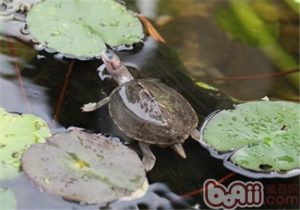
Brown Roofed Turtle
The Brown Roofed Turtle (Pangshura smithii) is a relatively uncommon member of the roofed turtle genus, comprising two subspecies—the nominate Smith's roofed turtle and the white-footed roofed turtle, distinguished by the absence of black markings on its plastron. A semi-aquatic omnivore, it inhabits riverbed mud across the Indian subcontinent and enjoys basking.

Carbon Monoxide Poisoning in Dogs and Cats
Carbon monoxide poisoning occurs when pets breathe gas from faulty heaters, car exhaust, or confined smoke. It binds to blood and starves tissues of oxygen, causing vomiting, weakness, bright-red gums, seizures, and coma. Move the pet to fresh air and get veterinary help at once.

Toad Poisoning in Dogs and Cats
Toad poisoning occurs when dogs or cats bite toads or lick toad eggs, skin secretions, or venom on wounds. Signs include heavy drooling, vomiting, irregular heartbeat, and seizures. Immediate flushing of the mouth and urgent veterinary treatment are critical.

Strychnine Poisoning in Dogs and Cats
Strychnine (nux vomica) poisoning in dogs and cats causes sudden, severe nerve excitation. Affected pets become hyper-sensitive to sound and light, develop muscle twitching, seizures, and a rigid arching of the spine, and may die from respiratory paralysis. Immediate, calm veterinary care is essential.