Search Results
307 results for “bloody stool dog”
Is Urination a Good Sign When a Dog Has Parvovirus?
A dog with parvovirus passing urine is not, by itself, proof of recovery; the real sign is whether the stool becomes formed. A lack of urine often means dehydration from prolonged vomiting and diarrhea. When the dog starts passing formed stools and its energy and appetite return, it is on the mend. Parvo is a fierce, contagious disease, especially in unvaccinated puppies, so early veterinary care is vital.
What to Do If Your Dog or Cat Has Tapeworms
Many species of tapeworms parasitize dogs and cats, and the adult worms seriously harm their health, while the larval stages often use livestock or humans as intermediate hosts, threatening both animals and people. Common species include Dipylidium caninum, Taenia spp., Echinococcus granulosus, Mesocestoides, Spirometra mansoni, and Diphyllobothrium. Infection causes intestinal inflammation, malnutrition, and in severe cases intestinal blockage, with signs like vomiting, diarrhea, weight loss, and odd behavior. Diagnosis relies on clinical signs plus fecal egg exams. Prevention means regular deworming, not feeding raw offal, and controlling fleas. Treatment uses praziquantel (5 mg/kg dogs, 2 mg/kg cats), arecoline hydrobromide, bunamidine, or fenbendazole under veterinary guidance. Because some tapeworms (like Echinococcus) also endanger human health, prompt and correct control matters.

Treating Hookworm Infection in Dogs
Hookworm disease in dogs is caused by the dog hookworm (Ancylostoma) and the narrow-head hookworm (Uncinaria). These small parasites latch onto the intestinal wall and feed on blood; severe infection causes pale mucous membranes, weight loss, a rough coat, poor appetite, vomiting, and alternating diarrhea and constipation with bloody, tarry, foul stools. In puppies, skin invasion causes inflammation, and infection in 3-week-old pups can cause fatal anemia. Treatment starts with deworming—an injectable antiparasitic against hookworms, with pyrantel or levamisole also used for killing—and severe cases need supportive care such as iron supplements or a transfusion for anemia.

What to Do When Your Dog Has Frequent Diarrhea
Frequent dog diarrhea usually traces to one of four causes: a chilled stomach from cold weather or cold food, intestinal parasites (look for worms in the stool), gastroenteritis (viral or bacterial), or simple overeating and dietary indiscretion. Warming the dog and adding a probiotic helps mild cases, deworming treats parasites, and a vet may use anti-diarrheals plus antibiotics for gastroenteritis. Persistent, bloody, or accompanied diarrhea needs prompt veterinary care.
Dog Enteritis Causing Bloody Vomit: What to Do
Bloody vomiting and stool from dog enteritis has two main causes. Infectious (contagious) enteritis needs immediate isolation and clinic treatment—it is highly contagious and requires targeted medication, with a course of about 7–14 days. The gastroenteritis type has a lower death rate, a 3–5 day course, and is treated with fluid therapy and symptomatic care.
How to Care for a Dog with a Sensitive Stomach
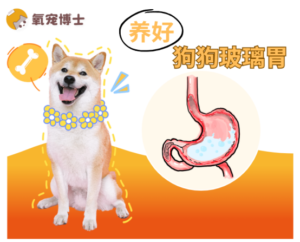
A weak gut hurts more than digestion—it drags down nutrient uptake and immunity. Causes range from sudden diet changes and parasites to infection, chronic gut disease, and stress. The fix is a gentle, single-source diet on a fixed schedule, a careful transition to new food, light toppers like pumpkin or boiled chicken, and pet probiotics. Keep the belly warm and add gentle exercise; see a vet for persistent vomiting, blood, or lethargy.

Diphacinone (Rodenticide Anticoagulant) Poisoning in Dogs and Cats
Diphacinone is an anticoagulant rodenticide that blocks vitamin K recycling, so poisoned pets bleed internally and may die suddenly or from haemorrhage. Vitamin K1 therapy and, in severe cases, transfusion are the mainstays of treatment.

Lactose Intolerance in Dogs and Cats
Lactose intolerance in dogs and cats is the inability to digest lactose in milk and dairy products because of low lactase activity in the intestinal lining. It causes osmotic diarrhea, abdominal discomfort, and a gurgling abdomen after dairy is consumed, and resolves simply by removing dairy from the diet.

Postpartum Septicemia in Dogs and Cats
Postpartum septicemia is a whole-body infection from severe uterine or vaginal infection after birth, often due to a dirty environment or retained placenta. Signs include refusal to eat and rapid fever above 40 C with cold skin, and urgent antimicrobial and supportive care is required.

Colitis in Dogs and Cats
Colitis is inflammation of the colon that causes acute or chronic diarrhea in dogs and cats, often with straining, mucus, and blood in the stool. Treatment combines anti-diarrheal and anti-inflammatory medication with dietary management.