Search Results
172 results for “blood vessels”
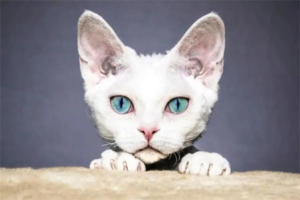
Is It Normal for a Cat’s Ears to Feel Hot?
A cat's normal body temperature runs a little higher than a human's, so ears that feel warm to the touch are usually normal. But ears hotter than usual can signal a problem—stress or anxiety, a respiratory infection, ear inflammation, or simply a warm room. To decide whether it's normal, look at the whole picture: lethargy, reduced activity, poor appetite, or red, smelly, discharging ears all call for a vet. A quick nose check and a thermometer (normal 38–39.5°C; above 40°C needs prompt care) will confirm a fever.
Cat Food Ingredients to Avoid, No Matter How Cheap
Not all cat food is created equal, and the ingredient list is the single most reliable way to judge quality. Some products hide preservatives, flavor enhancers, and fillers that can harm your cat over time — from potential carcinogens like BHA, BHT, ethoxyquin, and TBHQ to appetite stimulants such as MSG and pyrophosphate. Other risky additives include propylene glycol, nitrites, synthetic vitamin K3, and thickening gums, while artificial colors and sweeteners add sugar and nothing of value. Because cats are obligate carnivores, diets overloaded with corn, wheat, or soy not only lack nutrition but may trigger allergies and even aflatoxin exposure. Learning to read the label helps you protect your cat from low-grade food, no matter how attractive the price.

What Is Diabetes in Cats?
Feline diabetes develops when a cat's body makes too little insulin or responds poorly to it. Without enough insulin, excess sugar spills into the urine and cells starve, sometimes producing toxic ketones. Signs include ravenous appetite with weight loss, dull coat, excessive drinking and urination, and sweet-smelling urine. Diagnosis uses blood and urine tests, while treatment centers on insulin injections, lifelong in most cases. With careful monitoring, diabetic cats can live comfortably for years.

Dog CoQ10 Shopping: Four Checks Before You Buy
CoQ10 supports heart-muscle energy, acts as an antioxidant, and helps with stamina, so it is on many senior and small-breed dog owners' radar. But the market is crowded with weak, vaguely labeled products. Before you buy, check four things: real labeled potency, a combined formula, good absorption, and easy, safe feeding. Here is how to read a label and pick a supplement that actually delivers.
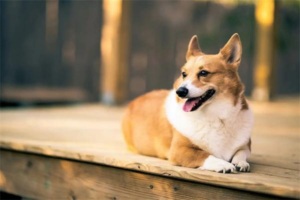
What Causes Eyelid Entropion in Dogs?
Dog eyelid entropion comes in congenital and acquired forms. Breeds like Shar-Pei, Chow, Great Dane, miniature Poodle, Saint Bernard, and Labrador are prone to the congenital type because of facial structure and genetics. Acquired entropion follows conjunctivitis, foreign irritation, ingrown or double eyelashes, dry eye, or corneal ulcers, and shows as spasmodic muscle contraction; seniors may get it from lost tone. Most cases ease once the cause is removed, but if not, eyelid surgery is likely needed.

CoQ10 for Cats and Dogs: Food Sources, Benefits, and Who Needs It
Coenzyme Q10 (CoQ10, or ubiquinone) is a fat-soluble compound that helps cells make energy and is concentrated in high-demand organs such as the heart, liver, and kidneys. Most healthy pets make enough on their own, but seniors, certain breeds, and pets with heart conditions may benefit from supplementation. This guide covers what CoQ10 does, which foods naturally contain it, which pets are most likely to need a supplement, and the key safety precautions to keep in mind.

African Lungfish
The African lungfish is a living fossil of a fish: besides gills, it breathes with a lung-like swim bladder and can bury into mud to aestivate through a six-month dry season. A carnivorous, mostly placid fish that grows up to 1–2 m, it is now threatened as its native African waters shrink.

Fibrosarcomas in Dogs and Cats
Fibrosarcoma is a malignant tumor of fibrous tissue and the second most common mouth tumor in dogs. About 60 percent arise in the skull bones and 30 percent in the long bones. It is firm, invasive, and bleeds easily when sampled. Surgery is the main treatment.

Canine and Feline Aural Hematoma
An aural hematoma is a pocket of blood that forms between the skin and cartilage of the ear flap, usually triggered by vigorous head shaking or scratching. Small collections may be drained, but most require surgery to prevent a permanently scarred, thickened ear.

Canine and Feline Globe Prolapse (Eye Protrusion)
Globe prolapse occurs when the eye is forced out of the socket, most often from fighting or blunt trauma and especially in short-nosed breeds. Prompt replacement offers the best chance of saving the eye; badly damaged or infected globes may require surgical removal.