Search Results
1274 results for “blood test”
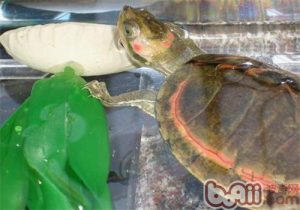
Pink-ringed Tent Turtle
The Pink-ringed Tent Turtle (Pangshura tentoria) is a striking high-domed turtle with pink cheeks and a pink ring around its carapace, but it is delicate, with hatchling mortality often above 80%, mostly from skin rot. Best suited to experienced keepers who can provide stable temperatures and a basking area.
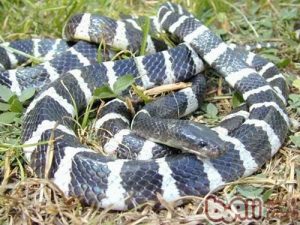
Beaked Sea Snake
The Beaked Sea Snake is one of the world's most venomous snakes, living in tropical coastal waters of Australia and parts of Asia. Reaching 1.5–2 m with a cylindrical body and dark gray back banded in black, its neurotoxic venom can kill within minutes—yet it is valued in traditional medicine.

Adanson’s Mud Turtle
The Adanson's Mud Turtle is a small, seldom-seen aquatic turtle from central Africa, a minor member of the African side-neck genus. Although not internationally listed as endangered, it is rarely traded.

Emydura australis (Australian Big-headed Turtle)
The Australian big-headed side-necked turtle is carnivorous and lives in shallow water, aestivating in pond mud during the dry season. In the wild it consumes large numbers of mosquito larvae, making it beneficial to people, though it is rare and its trade is strictly controlled.

Creaser’s Mud Turtle
Creaser's Mud Turtle (Kinosternon creaseri) is a lesser-known mud turtle with a dark shell and pale head. Known for its aggression and strong territoriality, it is rarely kept in captivity and seldom seen in the market.
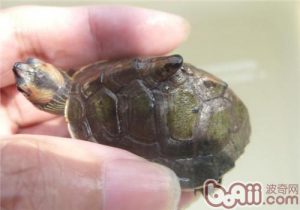
Indian Roofed Turtle
The Indian Roofed Turtle (Kachuga tecta) is one of the more common roofed turtles, recognizable by the distinctive raised black keel on its shell. Native to the rivers of the Indian subcontinent, it is a timid aquatic turtle that can enter hibernation.

Painted Terrapin
The Painted Terrapin (Callagur borneoensis) is a distinctive member of the painted turtle genus whose carapace resembles a watermelon, with a red streak across the head. Distributed in Malaysia and Indonesia, it is a large, carnivorous, brackish-water turtle that must be kept in low-salinity water.

Leiomyomas in Dogs and Cats
Leiomyomas are benign smooth-muscle tumors that can arise wherever smooth muscle exists, such as the uterus, stomach, intestine, and blood-vessel walls. Dogs are affected more often than cats. Surgical removal is the usual treatment, and follow-up care prevents spread.

Canine and Feline Ovarian Tumors
Ovarian tumors are uncommon in dogs and cats and usually arise as a primary growth, most often a granulosa cell tumor in older females. Hormone-secreting types cause persistent estrus, while others simply enlarge the abdomen; surgery is typically curative.

Canine and Feline Renal Adenoma and Kidney Tumors
Kidney tumors in dogs and cats may be primary growths such as renal adenoma or nephroblastoma, or spread from cancers elsewhere — metastatic kidney tumors are actually more common. Signs are vague but include weight loss, abdominal swelling, and changes in urination.