Search Results
1274 results for “blood test”

Dog CoQ10 and the Mislabeling Trap: How to Pick a Real One
CoQ10 powers heart contraction, clears free radicals, and slows cardiac aging, so it is a staple for senior dogs and breeds prone to valve disease and enlargement. But without enough actual CoQ10 in the dose, you pay and gain nothing. This guide explains why dose is the bottom line, how brands obscure content, why human CoQ10 is dangerous for dogs, and the three checks that separate a real product from a placebo.
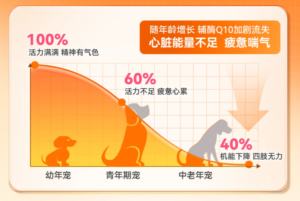
Choosing a Pet CoQ10: Skip the Hype, Pick What Works
As pets reach middle and old age, heart care becomes unavoidable — especially for overweight cats and dogs and for breeds prone to heart disease such as Siamese and Ragdoll cats, Toy Poodles, Pomeranians, and Cavalier King Charles Spaniels. CoQ10 is a core heart nutrient and appears in veterinary cardiac plans, but the crowded market makes choosing hard. This guide explains what CoQ10 does and the three points that separate a working product from a hype-driven one.

What Causes Sepsis in Dogs and How Is It Treated?
Dog sepsis happens when bacteria such as Staphylococcus, Streptococcus, or E. coli multiply in the blood and release toxins, causing body-wide infection. Large skin wounds, bacterial diarrhea, purulent peritonitis, or open fractures can all trigger it. Early signs include fever, lost appetite, vomiting, diarrhea, weakness, rapid breathing, dilated pupils, and abnormal heartbeat. The sooner treatment starts, the better the odds, so see a vet at once if these appear. Treatment uses culture-guided antibiotics, nutritional support, symptomatic care, and restoring acid-base balance.

Can Dog Heartworm Spread to Humans
Dog heartworm can pass to people, but the chance is low. It spreads through blood, mainly via mosquito bites: a mosquito that bit an infected dog can later bite a human and transmit the larvae. Because the larvae cannot mature in the human body, human cases are rare and usually mild, sometimes causing lung or subcutaneous nodules with fever, pain, or chills. Still, see a doctor if exposed. The bigger risk is transmission to other pets, so deworm and control mosquitoes.

Cat Dewormers Compared: How to Choose the Right One
More than half of household cats are estimated to carry at least one parasite at some point, with fleas, roundworms, and heartworm among the most common. Regular, science-based deworming can sharply lower that risk and protect both cat and owner. This guide compares the main types of cat dewormers by their active ingredients and explains how to match a product to your cat's age, lifestyle, and parasite exposure, so you can build a safe, sustainable routine without relying on brand hype.

How Long Can a Dog Survive Heartworm
How long a heartworm-infected dog lives depends on infection site and severity, the dog's age and health, and how effective treatment is. Mild cases often recover with medication, while moderate to severe ones may need risky surgery. With proper treatment a dog can live for years; without it, death may come in weeks to months. Seek a vet promptly for diagnosis and care.
What should I do if my dog won’t eat, won’t drink, and is lethargic?
A dog that won't eat, won't drink, and is lethargic should be taken to a vet promptly - it's a common sign of illness, and prolonged refusal to eat or drink can cause hypoglycemia and low blood pressure, especially in puppies. Causes vary and symptoms alone can't confirm a diagnosis, so exams are needed; if it's very weak, give oral glucose and get it to a vet fast.

Golden Monkey Flowerhorn
The Golden Monkey Flowerhorn is a Flowerhorn strain with the eyes of the Gold Flower line. Its greatest feature is a body red in the front half and golden-yellow in the back. It is now a beloved variety.

Golden Severum
Pineapple cichlids divide into two common varieties: the Golden Severum and the Green Severum. Here we focus on the Golden Severum. It is gentle, easy to keep, not picky but with a big appetite.

Firemouth Cichlid
The Firemouth Cichlid's greatest feature is that sexing is very difficult, yet it is a distinctive variety. Native to Mexico in North America, it is large, reaching 10–15 cm as an adult.