Search Results
916 results for “blood loss”

Symptoms of Diabetes in Pets
Just as diabetes affects people, it is affecting more and more pets. Obesity is a factor — over 50% of pets are overweight, raising their diabetes risk. In fact, an obese cat is four times more likely to develop diabetes than a cat at a healthy weight.
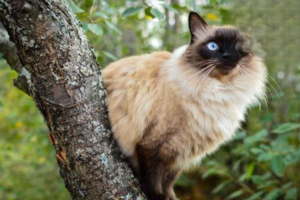
Signs Your Cat Is Sick
Cats can't speak, so observing daily details matters! Catch problems early, nip disease at the start~

Why Is My Cat Lethargic?
Lethargy is a state of increased sleepiness, reluctance to move, or indifference to the surroundings, in which the cat responds with a delay to external stimuli such as auditory, visual, or tactile stimulation. Lethargy may also refer to reduced activity and general discomfort shown by an unwell cat.

Cat Liver Failure: Causes and Treatment
Liver failure refers to the loss of more than 75% of liver function, followed by severe and widespread hepatic necrosis. This syndrome is more common in dogs than in cats, and it shows no preference for age, breed, or sex.

FIP in Cats: Symptoms and Treatment
FIP, short for Feline Infectious Peritonitis, means inflammation of the abdominal lining. When this inflammation is linked to a specific mutated feline coronavirus, it is infectious peritonitis (FIP). Only a small fraction of coronavirus strains cause FIP.

Feline Eye Diseases and Eye Drops
Feline eye disease is very likely in a cat's life. Some breeds like Exotic Shorthair, Persian, and Chinchilla (flat-faced) are high-risk and may have multiple eye infections.

Why Do Dogs Stick Out Their Tongue While Sleeping?
A sleeping dog's lolling tongue usually means relaxation or cooling. Rarely it signals a hereditary 'long-tongue' condition (macroglossia), common in small flat-faced breeds.

A Complete Guide to Dog Skin Diseases
Skin problems peak in spring and summer and can stem from diet, environment or weak skin resistance. This guide covers nine typical conditions, from mange and ringworm to pyoderma and endocrine hair loss, with their causes and signs.

Feline Hepatitis and Gastroenteritis: Symptoms and Treatment
Feline hepatitis and feline gastroenteritis are different conditions. Feline hepatitis is caused by viruses, parasites, immune-mediated factors and the like, and may involve the bile ducts, forming cholangiohepatitis. Gastroenteritis, on the other hand, is inflammation of the gastrointestinal tract that leads to vomiting and diarrhea, mainly caused by Escherichia coli and Campylobacter infections; other causes include stress, overeating, and sudden temperature changes.

When Does Your Dog Need to See a Vet?
Watch for limping 'rabbit hops', trouble urinating, skin disease, abnormal stools, or bad breath — these can signal hip, urinary, skin, digestive, or dental problems that need a vet.