Search Results
99 results for “black scales”
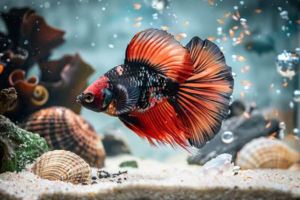
Why Arowana Scales Turn Black and How to Fix It
Blackening scales in arowana usually trace back to unstable water (temperature or quality swings), overfeeding loaches, or bacterial infection. Steady the environment, ease off the loach, or run a medicated bath — and use color-enhancing feeds to bring the sheen back.

Why Cats Develop Black Crusts (Scabs): Causes and Treatment
Black crusts on a cat, such as around the nose, are dried mixtures of serum, blood, pus, and scale. They can stem from primary problems like idiopathic seborrhea, but more often signal an underlying skin disease such as ringworm, insect bites, or pemphigus foliaceus, so a veterinary diagnosis is needed before treatment.
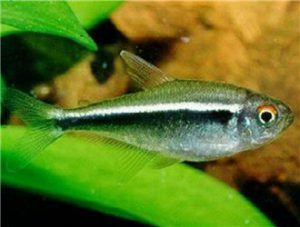
Black Neon Tetra
The Black Neon Tetra, also known as the Black Tetra or Black Neon, is native to Brazil and belongs to the tetra group, because its appearance and habits are very similar to other tetras—small and exquisite, looking beautiful in the aquarium. It has a gentle temperament but is territorial, and can be kept with other peaceful fish or shrimp.

Black Arowana
The Black Arowana is a South American freshwater predator from the Amazon and Guyana, born with two long barbels and flowing fins. Aggressive and best kept alone in a covered tank over 120 cm, it needs 24–28°C soft water and a meaty diet of live foods. Watch for white spot and tail rot.

East African Black Mud Turtle
The East African Black Mud Turtle is scarce in the wild and thus rarely kept in captivity; in China it is uncommon, though other side-neck species are seen more often, indicating its rarity and need for protection. It eats both plants and animals, living in shallow water and occasionally climbing onto land.

Red-headed Side-necked Turtle
The red-headed side-necked turtle (Platemys platycephala) is a flat-headed South American side-neck from the Amazon and Orinoco basins, with a dark orange-red head. Shy and cold-sensitive, it is best kept much like a box turtle.
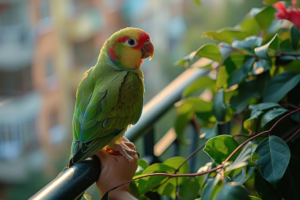
Treating Pinecone Disease (Dropsy) in Blood Parrot Cichlids
Pinecone disease, or dropsy, is a highly contagious bacterial illness in blood parrot cichlids with under a 50% cure rate and often fatal within days. Isolate the sick fish at once and treat with salt-and-baking-soda or antibiotic baths, adding medicated food for severe cases, while keeping water clean and temperature stable to prevent it.

Types of Dog Skin Diseases and How to Treat Them
Dog skin diseases are divided into fungal, bacterial, parasitic, endocrine, etc. These causes all produce dermatitis, eczema, redness, hair loss, itching, ulcers, and scratches of varying size. It is best to first get a professional diagnosis at the hospital, confirm the cause, then choose the most effective treatment, so the condition recovers soon.

Cat Ringworm: Treatment and Prevention
Ringworm is a common feline skin disease, mostly in low-resistance cats. Microsporum canis and Trichophyton are the two main fungi; 90% from M. canis, evolving into irritating ringworm. Here's the detail.

A Complete Guide to Dog Skin Diseases
Skin problems peak in spring and summer and can stem from diet, environment or weak skin resistance. This guide covers nine typical conditions, from mange and ringworm to pyoderma and endocrine hair loss, with their causes and signs.