Search Results
50 results for “bite drop”

100 Essential Tips Every New Cat Owner Should Know
Bringing home a first kitten is exciting but daunting, and poor care can hurt both of you. These 100 essentials cover diet (life-stage food, toxic grapes/chocolate/onion/garlic, no bones or raw meat, fresh water), daily care (brushing, nail and ear cleaning, litter hygiene, n+1 boxes), health (vaccines at 8–12 weeks, deworming, normal temperature 38–39.2°C, spay/neuter, no human meds), behavior (slow blinks, tail talk, no punishment), and home safety (screens, hiding wires, toxic plants, no smoke). Read them once and you'll share a calmer, healthier life with your cat.
What Are the Signs That a Dog Is Sick?
Dogs cannot tell us in words when they feel unwell, so owners must read the signals their bodies send. A sick dog may show a sudden drop in appetite, much less energy, or unusual tiredness after light play. Vomiting and diarrhea often point to digestive trouble, parasites, or infection, while heavy shedding beyond the normal amount can signal skin allergies, pests, or nutritional or hormonal problems. A temperature above 39.5°C, rapid or labored breathing, and a fast heartbeat suggest fever, respiratory or heart issues that need prompt care. Pain and discomfort can also change a dog's mood, making it withdrawn, anxious, or snappy. If you notice any of these signs, see a vet for diagnosis and a treatment plan. Prevention helps too: keep up with deworming and vaccines, feed balanced clean food, keep the home dry and sanitary, and add warmth during seasonal changes.
How to Stop Your Dog From Eating Poop
The old saying that a dog can never be trained out of eating stool is unfair - coprophagia can be corrected with patience. The first move is to remove the opportunity: clean up after every bowel movement and keep the dog on a leash and in sight on walks so it cannot snatch another dog's waste. If you catch the behavior, interrupt and correct it calmly without physical punishment, and use gentle training to redirect it. You can also make stool less appealing by adding a taste it dislikes, then letting the dog investigate. Finally, rule out hunger: feed regular, balanced meals so the dog is never driven to eat stool by an empty stomach.
Symptoms of Canine Leptospirosis
Leptospirosis is a serious dog disease caused by Leptospira bacteria - also called infectious jaundice or hemorrhagic jaundice - that spreads through skin, mucus membranes, and contaminated food or water, often peaking in summer and early autumn. Two forms stand out: one brings sudden fever, vomiting, dark bile-colored urine, yellow gums, and bleeding, while the other causes vomiting and bloody diarrhea with mouth ulcers and a death rate of 60-80 percent in acute cases. Diagnosis uses microscopy, culture, and blood tests, and treatment pairs antibiotics with liver and fluid support. Clean housing, rodent control, quarantine, and the two-type vaccine are the key preventives.
What Pet Owners Should Know About Rabies
Rabies is a viral disease that infects dogs, cats, and people, and because a rabid dog can harm humans, it demands serious attention. The virus travels along nerves to the brain after a bite, and once signs appear the outcome is almost always fatal. Prevention through vaccination and prompt wound care is the only real defense.
How to Care for Your Dog in Summer
Summer heat means preventing heatstroke, but some popular 'cooling' tricks backfire. Shaving a dog's coat or bathing it too often raises the risk of skin disease—the coat actually shields skin from sun and bites. Instead, cool the indoor space, use a cooling mat, trim only the paw fur to aid heat loss, walk at dawn or dusk with water on hand, and shift to lighter meals in small portions. Keep the air flowing, set the AC no lower than 26°C, and clear leftovers before they spoil. Smart, gentle cooling helps your dog sail through the hottest months.
What Are the Signs a Guinea Pig Is Unhappy?
Guinea pigs are sensitive little animals, and unhappiness shows up as reduced appetite, low activity, unusual silence, refusing contact, and frequent teeth grinding or cage chewing. Common causes include lack of social contact, an uncomfortable environment, too little exercise, unmet food or water needs, or underlying illness. If your guinea pig seems down, improve its surroundings, add social time, offer good food, and encourage activity. If that does not help, have a veterinarian check for pain or disease. Learning to read these signals is the key to keeping a guinea pig happy and healthy.
How to Train Your Dog to Catch a Frisbee
Few tricks impress like a dog leaping to catch a flying disc, but the skill is built step by step, not born overnight. The foundation is simple: make the disc exciting, teach a reliable bite-and-drop, and let the dog ride your body as a launch pad before expecting big air. With patience and short sessions, most dogs get there.
Why Are Your Dog’s Eyes Red and Swollen?
Dogs are nearsighted and see few colors, but their eyes still reveal a lot about their health. Red, swollen eyes can come from something simple like a speck of dust or shampoo, an allergy to food or the environment, or infection by bacteria, fungus, or parasites after a scratch or fight. Built-in problems also play a role: eyelid malformation (entropion or ectropion) and misdirected lashes rub the eye and cause chronic irritation. Because redness can also signal illness such as a cold or distemper, a vet check is wise when signs persist.
Why Indoor Cats Can Still Get Parasites
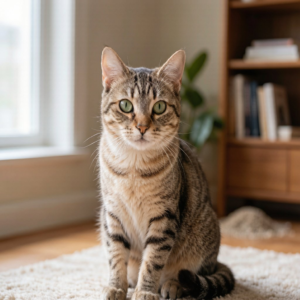
Many owners assume an indoor cat cannot catch parasites, but that is not true. Parasite eggs can ride home on your shoes and clothes, and mosquitoes, cockroaches, raw meat, or household plants can all introduce infection. Some parasites are zoonotic and can spread from cat to owner, so regular deworming matters regardless of lifestyle. Internal parasites such as roundworms, hookworms, tapeworms, and heartworms, and external ones like fleas, lice, ticks, and mites are most common in spring and summer; nematodes and toxoplasma can also pass to people. Deworming is straightforward: oral medication every three months, or more often for raw-fed cats, plus topical drops applied to the skin at the back of the neck. Always follow the dose by weight, since these drugs are toxic in excess.