Search Results
6 results for “bird protozoa”

Toxoplasmosis: An Internal Parasite in Pets
How much do you know about Toxoplasma, an internal parasite in pets?
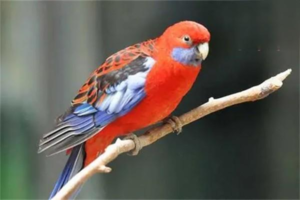
How to Tell If a Parrot Has Trichomoniasis
Trichomoniasis, a flagellate protozoan, is a leading cause of chick death—about 80% of birds carry it without getting sick. Signs include poor appetite, ragged feathers, and yellow vomit; diagnosis is a microscopy or PCR test at a vet. This article covers symptoms, diagnosis, and treatment.
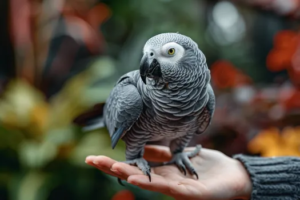
How to Treat Trichomoniasis in Parrots
Parrot trichomoniasis is a widespread protozoal disease also seen in pigeons and quail. Treat with dimetridazole or ronidazole in drinking water, plus metronidazole for 7–10 days with liver support. Prevention means clean cages and separating chicks from mothers. This article details the care.

What Symptoms Appear When a Parrot Is Infected with Trichomoniasis?
Most adult parrots carry trichomonas but usually do not fall ill; however, adults feed chicks by regurgitation, easily passing the disease to them, and infected chicks sicken quickly. Our team introduces the common symptoms and handling of parrot trichomoniasis.

Trichomoniasis in Parrots: Symptoms, Diagnosis, and Treatment
Avian trichomoniasis is a parasitic disease from Trichomonas gallinae, common in parrots (and pigeons, ~80% carriers). Signs include yellow cheesy throat lesions, drooling, weight loss, diarrhea, and breathing trouble; severe cases damage organs. Diagnose via mouth-swab microscopy (not fecal), isolate and disinfect, and treat with dimetridazole (50 mg/kg or 0.05% in water for 5–6 days). Prevent by quarantining new birds.

Identifying 6 Ticks on Cats and Dogs
Ticks split into hard (Ixodidae, the important veterinary group) and soft (Argasidae). Hard ticks carry viruses, bacteria, and protozoa and cause tick paralysis and toxicosis. The six: Amblyomma (colorful, often a white 'lone star' spot; three-host); Hyalomma (long mouthparts, eyes, no color; Africa/Asia/Australia, not the Americas); Ixodes (anal groove in front of the anus; main Lyme vector in the US); Rhipicephalus (pseudohead hexagonal, dog-specialized; brown dog tick all stages on dogs); Haemaphysalis (palps wider than long); and Argas (soft tick, granular surface, feeds on birds at night). Know them to manage parasites and disease.