Search Results
101 results for “bird care”

Pacific Parrot: Traits and Care
The Pacific parrot (or Pacific parakeet) is among the smallest parrots, only about 12 cm long and 30 g, earning the nickname "pocket parrot." Mostly green or blue, it is gentle, cute, and not very destructive, and can even learn a few words. In the wild it flocks and eats seeds, berries, and fruit; in captivity it needs a small cage, mixed seed or pelleted food, baths, and sunlight. Breeding runs January to May with four to six eggs.
My pet bird was scratched by a stray cat and has a wound on its back. What should I do?
For a bird scratched by a cat, treatment depends on the wound's size and depth. Small, shallow wounds can be cleaned with saline and treated with an antiseptic; large or deep wounds need brief bleeding control followed by prompt veterinary care, since cat scratches carry a high infection risk.
How long do lovebirds live?
Lovebirds typically live 12–15 years, and good care can extend that. Lifespan depends on the bird's constitution, environment, and husbandry, so keep the cage clean, remove food debris and droppings promptly, and disinfect regularly to avoid pathogens and parasites.

Signs of Cat Depression
Depressed cats often sleep far more than usual, lose interest in food and play, become withdrawn, and may over-groom to the point of bald patches or skin inflammation. If you notice these changes, schedule a veterinary check-up to rule out illness, then focus on comfort, routine, and companionship — with medication only under veterinary guidance.

Why Do Cats Jump from High Buildings?
Cats may fall from heights due to curiosity about the outside, panic, or the urge to mate. They can't judge height or distance and may think a ledge is safe. Install window screens, trim claws, enrich their environment, and spay/neuter to prevent these tragedies.
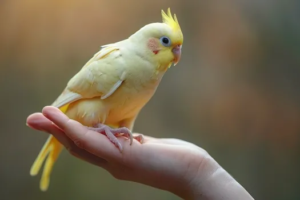
How to Keep a Budgerigar Warm in Winter
Budgies tolerate cold poorly, so act quickly when temperatures drop. Provide a warm, draft-free cage, extra high-energy food and warm water, steady light, and close daily observation so illness is caught early.

How to Tame an Aggressive Cockatiel
A cockatiel that turns aggressive is usually frightened, nervous, or unsettled in its surroundings—not truly mean. Win its trust with patient, gradual contact, a calm setting, and regular gentle interaction rather than force or punishment.

How to Feed a Budgerigar at Every Life Stage
Budgerigars are social, intelligent birds, but their care changes with age. Chicks are the most fragile stage and need frequent hand-feeding with a quality parrot formula and parrot hand-feeding powder, offered in small amounts every few hours around the clock. Adults need a varied diet of grains, vegetables, fruit, and seeds plus a protein boost from boiled egg, formulated protein feed, mealworms, or beans. Through every stage, keep the cage at a comfortable 20-25 C, maintain clean food and water dishes, and allow safe supervised flight time. With the right food and routine, a budgie stays active and healthy.
Do West Highland White Terriers Bark a Lot? Yes — Here’s Why
West Highland White Terriers are vocal dogs. Bred as terriers in Scotland to hunt small rodents, they were selected to alert their handlers with barks, and that instinct remains strong. Westies bark out of alertness, pent-up energy, attention-seeking, seasonal restlessness, or as a sign of pain. The good news is that barking is manageable: daily exercise, a "quiet gets rewarded" system, desensitization to common noises, early socialization, and ruling out health issues all make a big difference. A sudden change in barking paired with other symptoms can signal discomfort and warrants a vet visit.

Symptoms and Treatment of One-Eye Cold in Parrots
One-eye cold is a common contagious eye condition in parrots, marked by swollen conjunctiva, watery discharge, lethargy, reduced appetite, and weakness, with respiratory signs in severe cases. If you notice these symptoms, take them seriously and treat promptly. Care begins with isolating the sick bird and disinfecting the cage, then gently cleaning the eye and applying bird-specific drops such as bird-specific eye drops or human erythromycin ointment—treating both eyes even if only one is infected. Serious cases need antibiotics under a vet's guidance. Daily hygiene, clean food and water, and regular check-ups are the best prevention.