Search Results
153 results for “best time train dog”
How soon after birth can a Teddy walk?
A Teddy usually walks at about 20 days, but bones are undeveloped and it wobbles. After one month it walks steadily and can chase and jump; then teach it its name. At about 3 months, more training like standing walks is possible, but standing often harms the spine, so avoid it.
The Yorkie Craze — Read the Pros and Cons Before You Buy
The Yorkshire Terrier is tiny, low-shedding, light-odor, and adorably clingy — but not easy to keep. It's stubborn, needs daily coat care, barks at any noise, can develop separation anxiety, and is prone to patellar luxation, tracheal collapse, and heart issues. Best for owners with time, patience, and budget; not ideal for busy travelers or toddlers.
Why Are Beagles Given Up So Often?
Beagles are rehomed so often because they bark loudly, need 1–3 hours of exercise daily, are food-obsessed and stubborn, and prone to separation anxiety. With daily outings and early training they can be wonderful, devoted companions.

Springer Spaniel: Pros and Cons
Springer Spaniels are friendly, smart, energetic, alert, and loyal — great family and working dogs — but they need regular grooming, high exercise, ear care, and firm training, and can be overly exuberant, stubborn, or prone to hip dysplasia. Match the breed to your lifestyle before committing.
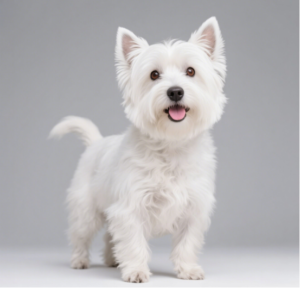
Why You Should Think Twice Before Getting a West Highland White Terrier
West Highland White Terriers are curious and energetic, which makes them champion destroyers of furniture, especially if separation anxiety sets in. Their signature white coat needs heavy upkeep: trims every 1-2 months, regular hand-stripping, twice-weekly brushing, and monthly baths. They are also known for sensitive stomachs and skin that flares up with the seasons, so diet changes should follow a gradual 7-day transition to a low-allergen food. Add a stubborn, treat-motivated temper and a purchase price of roughly 4,000-20,000 yuan plus higher grooming bills, and the Westie is best suited to experienced, time-rich owners.
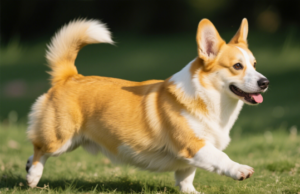
Are Corgis Prone to Patellar Luxation?
Corgis are indeed a high-risk breed for patellar luxation. Data from the Orthopedic Foundation for Animals (OFA) puts corgis in the top three among small breeds, with about 20%–30% developing some degree of the condition. The cause is twofold: a genetic mutation that leaves the trochlear groove too shallow to hold the kneecap, and a short-leg bone structure that angles the femur and tibia inward by 15°–20° more than usual, pushing the patella out of place. The problem is graded I–IV, from occasional skip-hopping to permanent dislocation. Mild cases are managed with joint supplements and limited exercise, while grades III–IV usually need surgery. Keeping the dog at a healthy weight and avoiding stairs and jumping are the best prevention.
Spaying and Neutering for a Longer Bond
Neutering does more good than harm: it lengthens life by slowing organ aging, cuts cancer risk, and reduces roaming, howling, and fighting. Prepare with fasting and the right timing (after first heat, not during), and care post-op with rest, warmth, wound cleaning, and an E-collar. Males are best done at 7-8 months, females after their first cycle.

Lop Rabbit
The Lop Rabbit — one of today's most popular pet rabbits — is named for its ears that hang down. Gentle, small, and people-friendly, it is short-lived (usually 5–7 years) and heat-sensitive, needs daily grooming of its dense coat and drooping ears, and must never be picked up by the ears.

LionHead Rabbit
The LionHead Rabbit is a small, gentle pet rabbit named for the ruff of long fur around its head that looks like a lion's mane. Originating in Belgium and bred in the Netherlands and US, it is sturdy and clean, needs daily coat care and a wire-free cage, and lives 5–7 years.

FlemishGiant
The Flemish Giant is the largest domesticated rabbit breed in the world, originally from Belgium and recognized by the American Rabbit Breeders Association in seven coat colors. A gentle, docile, and hearty-eater companion that needs generous space and meticulous hygiene, it weighs 6–13 kg and lives around 5–8 years.