Search Results
581 results for “bathe cat”

How to Treat Red Bumps on a Labrador
Red bumps on a Labrador usually come from mites, fungal infection, vitamin deficiency, or poor coat care — not random, and good hygiene prevents most. Treat the specific cause, feed a bland diet, keep the dog cool and the environment disinfected, and see a vet for widespread bumps.

What to Do When Your Dog’s Skin Is Ulcerating and Oozing
Skin disease can progress to ulceration and oozing—often pyoderma—if left untreated, leaving a dog miserable and off its food. Clip and disinfect the spot, apply vet-prescribed medication, and prevent recurrence through parasite control, dryness, and a clean environment. Prevention beats cure.

How to Treat Folliculitis in Dogs
Folliculitis shows up as red, swollen skin with tiny black specks at the hair roots that come off easily when wiped. Mild cases respond to gentle cleaning and an antibiotic ointment; severe ones need a vet visit or medicated bath. Keeping the coat dry and clean is the best prevention.

How to Treat Mite Skin Disease in Dogs
Mite skin disease keeps coming back because the mites live in the environment as much as on the dog. Treatment means medicating the affected spots, deep-cleaning the home, and boosting the dog's immunity—prevention through diet, parasite control, and limited contact with strays is what stops recurrence.

Why Your Dog Has Black Patches on Its Belly
Black patches on a dog's belly can be harmless skin thickening from fleas, or a sign of fungal, bacterial, or mite infection. They should not be ignored—working out the cause is the only way to treat it, and good flea control prevents most cases.

Is Dandruff on a Puppy Normal?
Dandruff from normal shedding is too small to see; visible flakes mean a likely skin problem—fungal disease, allergic dermatitis, too much salt, parasites or hormone issues. Bathe on a schedule with puppy shampoo, keep the coat dry, and balance nutrition; persistent flakes need a vet.

When Should a Kitten Be Dewormed?
Kittens can be dewormed from about 2–3 months of age; internal and external deworming are separate steps. Always dose by weight and age—too much harms the cat, too little does nothing. Weak kittens should wait until 4 months, and pregnant cats only after the kittens are weaned.

Can Dog Ringworm Spread to Humans, and How Likely?
How easily dog ringworm passes to people depends on immunity—those with weak resistance face a real risk, so be careful during treatment. Wash hands after every contact; human infection appears as round red spots, scaling and itch.
My Toy Poodle keeps scratching with its paws and rubbing against the wall — what’s going on?
Constant scratching can be a skin condition or just a dirty, unbathed coat. Check for scabs, red patches, hair loss, and dandruff; if present, a vet-recommended topical skin ointment treats it. If not, a medicated, parasite-control shampoo and a vet-recommended external parasite treatment usually resolve it.
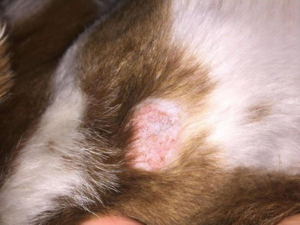
Can Dog Fungal Infection Be Cured?
Yes — fungal infection (dog ringworm) is curable but stubborn, so treat at once to stop it spreading. Isolate, collar, disinfect with povidone-iodine, apply antifungal ointment and spray, and keep the environment clean.