Search Results
581 results for “bathe cat”

Canine Parvovirus: What Every Dog Owner Should Know
Canine parvovirus is a highly contagious, often fatal disease, especially in unvaccinated puppies, with a sudden cardiac form that kills within hours. Vaccination is the only reliable shield; suspected cases need immediate isolation, vet testing, and careful fluid support.
Caring for Your Dog’s Coat
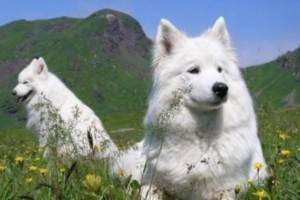
Dry, dull, or thinning fur usually means an unhealthy skin and coat. Fix it at the root: keep the living space clean, feed quality protein and omega-3 fish oil, bathe less with dog shampoo only, and control weight to aid circulation—plus daily brushing to stimulate the follicles.

What to Do When Your Dog Keeps Itching
Chronic itching is now common, with skin disease the top reason dogs visit the vet, and bathing method is a root cause often overlooked. Use a gentle, natural shampoo and avoid tar, sulfur, sulfate, or formaldehyde formulas; medicated baths remain a main treatment, especially for dogs exposed to grass, pollen, and pesticides.

Why Is a Pomeranian Hard to Care For?
Pomeranians are prone to eye trouble, skin problems, and joint disease, need frequent coat brushing or they mat and shed, are smart but independent so they demand training, and cling to people so they risk separation anxiety when left alone. Caring for one means regular brushing, early training, portion control to avoid obesity, daily activity, routine vet checks with vaccines and deworming, and hygiene for eyes, ears, and teeth.

What to Do If Your Teddy Dog Has a Fever
A Teddy (toy poodle) can run a fever from weather changes, rain, or not being dried properly after a bath. Bring the temperature down with physical cooling such as alcohol wipes or an ice pack, but never use human cold medicine, and see a vet if it passes 40 °C.

Why Your Dog Has Red Bumps
Red bumps on a dog usually signal a skin condition caused by bacterial/fungal infection, parasites (mites, fleas, lice), or irritation. Find the cause, use only approved veterinary medications, and prevent recurrence by limiting grass play, avoiding infected animals, keeping the environment dry, and disinfecting bedding.

How to Care for a Black Bear Dog (Jizhong)
The Black Bear Dog (Jizhong Heixiong Quan) is a rare large Chinese breed from the northern highlands with bear-like traits, a glossy black coat, and a natural guarding instinct. Care centers on timely vaccines and deworming, age-appropriate feeding (newborn formula at a 1:7 ratio, then puppy kibble), regular coat grooming, and daily exercise.

Why Teddy (Poodle) Dogs Smell and How to Fix It
Teddy (Poodle) body odor is common and far more noticeable in a city apartment than in a house with a yard, because the dog shares your living space. The fix is mostly routine care: bathe on a sensible schedule with a dedicated pet shampoo, dry the coat thoroughly afterward, and get the dog outdoors in the sun — sunlight helps keep skin healthy and wards off the bacteria that cause odor.

Dog Sneezing and Runny Nose
Sneezing and a runny nose in dogs usually mean a chill or a common cold, but in puppies or unvaccinated dogs they can be the first signs of distemper or parainfluenza. At home, keep your dog warm, offer easily digestible food and plenty of water, and check its temperature regularly. If a fever develops, see a vet promptly rather than waiting it out.

Bathing Your Pet in Autumn and Winter
Bathing pets in cold months calls for restraint — over-washing strips the skin, so space baths two to three weeks apart (cats can go even longer). Use lukewarm water around 35–40°C, a pet-specific shampoo, work from paws to back to head, and dry the coat thoroughly afterward to prevent chills.