Search Results
401 results for “barking”

Dog Runs Back Inside to Wake Owner During Earthquake
Before an earthquake, dogs may bark nonstop and run around because animals are sensitive to seismic activity. Beyond pets, watch for small foreshocks, changing well and river levels, burrowing animals fleeing, restless livestock, strange bird and insect flight, odd plant blooming, and light or sound signals—then move to safety.

How to Train a Husky
Huskies are lively, loyal, and eager to please, and with training their mood swings give way to a calmer temperament. Teach them not to grab food off the street (using calm waits and a nose tap) and not to bark without reason (meet the need, then correct with a firm quiet command and reward silence).

Caring for an Old English Sheepdog
The Old English Sheepdog is gentle, friendly, and sociable—even with strangers—so it makes a poor guard dog. Its thick coat suits cold climates; give it freedom to play, avoid crating, and meet its need for exercise and affection, and it becomes a faithful, devoted companion.

How to Train a Teddy (Poodle)
Teddies are smart and learn many commands with patient training. Core lessons: potty training with scented newspaper and praise, “sit” before meals, anti-barking, correcting bite habits, no begging at the table, and standing on hind legs for treats.

What Your Dog’s Barks and Sounds Mean
A dog's vocalizations carry real meaning: low moans signal pain, sharp yelps mark sudden hurt, long wolf-like howls mean distress or loneliness, and pitched 'woo' threats precede a charge. Night barking usually comes from a new home, keen hearing picking up faint noise, or illness. You can even teach a bark on cue with food, defense reaction, or separation drills.
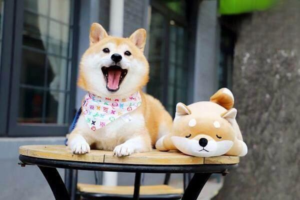
Shiba Inu vs. Akita: Key Differences
The Shiba looks like a smaller Akita; they differ in coat, size, color, head, muzzle, and tail. The Akita is a large, calm, loyal guardian (standard ~66 cm), while the Shiba is a small (~39.5 cm), independent, bold companion with a curled tail.

How to Raise a Healthy, Fast-Growing Puppy
Raising a dog well means a cozy den, regular feeding and walks, early training, and prevention ahead of illness. For a new puppy: ease the first-night nerves with familiar bedding near you, feed 3–4 small meals (milk replacer or softened pup food), skip baths until vaccinated, teach toilet spots patiently, and keep it out of AC drafts and outdoors until its shots are done.
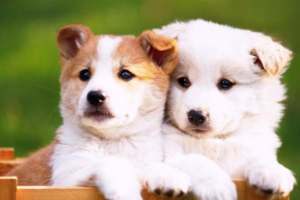
Is a Beagle Easy to Keep? How to Raise One
The Beagle looks sweet but hides a wild heart — it's one of the world's noisiest yet most loved breeds, a rabbit-hunting scenthound from Britain. Success takes space, consistent early training (ignore demand barking, build alone-time gradually), tolerance for chewed shoes, and patience; well-trained, that loud little hound becomes a devoted companion (and Snoopy's breed).

Why Do Dogs Guard Their Food?
Food guarding usually stems from owners over-indulging the dog so it thinks it runs the house. Fix it by teaching that you control the food, feeding on a timer to build a sense of scarcity, and asking for a calm obey before each meal.

Why Dogs Bark at Nothing
A dog barking at an empty corner may be sensing what we cannot — its vision spans a wider spectrum and may even detect magnetic fields. More often it is guarding instinct, a bid for attention, or plain curiosity, and reading the tone and body language tells you which.