Search Results
401 results for “barking”

6 Signs Your Dog Isn’t Getting Enough Exercise
A dog's exercise need depends on breed, age, and size. Some dogs play hard outdoors daily; others only stroll the neighborhood—but every dog needs a sensible amount of activity. So how do you know yours is under-exercised? Watch for six signs: destruction (a normally calm adult wrecking the home needs an outlet, not a beating); rough play (an usually gentle dog throwing its whole weight around with others); obesity (too much food, too little movement—common in seniors, though sudden weight gain can signal illness); restlessness (pacing at night, especially in small breeds that still need 10–20 minutes of indoor play); excessive barking (pent-up energy venting as noise); and lethargy (a depressed, uninterested dog). Puppies need several 5–10 minute sessions; adults 30–60+ minutes (or under 30–60 for low-need breeds); seniors 2–3 sessions of about 30 minutes. Remember: for most dogs exercise is a walk, but don't ignore mental stimulation—especially for dogs that can't go out.

Why Do Dogs Hate Delivery Couriers?
Many dog owners know the scene: whenever a delivery or takeout courier knocks, the family dog turns aggressive and may even attack the innocent visitor. Why does a knock at the door trigger such a loud, fierce reaction? The answer lies in a dog's territorial instinct. Before domestication, dogs strictly defended their territory, warning intruders by barking, then growling, then attacking. Early humans valued dogs precisely as living alarms. Today that instinct remains: when the courier knocks, the dog defends; when the courier leaves, the dog thinks it won. Next time the courier returns, the dog believes its earlier warning was too weak and escalates from bark to growl—and a perceived challenge can turn into a bite. To change this, reward calm behavior at the door with treats, teaching the dog that staying quiet near strangers earns a reward.

Why Has My Dog Lost Its Voice or Gone Hoarse?
Most dogs have a loud, clear bark, so when the voice suddenly fades or turns hoarse it catches an owner's attention. The cause is usually one of four things: strained vocal cords from nonstop barking, anxiety in a new home, an illness such as throat or respiratory infection, or a fright that tenses the throat muscles. While a hoarse voice is often minor and passes on its own, it can also point to pain or infection that needs a vet. This guide covers each cause and the matching response.

Great Dane Temperament: The Gentle Giant
The Great Dane is a giant breed with a gentleman's bearing, once favored by European royalty. Despite its powerful frame, it is affectionate, patient, and famously good-natured—often called the biggest dog with the best temperament. Great Danes bond closely with their families, are gentle with children, and stand calmly protective of home and owner without fear or needless barking, making them excellent family companions as well as watchdogs.
What happens if a male Teddy (Poodle) is not bred?
If a male Poodle is not bred, consider neutering him; otherwise he will go into heat irregularly, during which he may run away and become irritable, barking or biting. Unbred, unneutered males also risk testicular cancer and prostatitis, shortening lifespan. If neutering isn't an option, secure doors and leash him during heat to prevent loss.
What happens when a Teddy (Poodle) can’t find its owner?
When a Poodle can't find its owner at home, it becomes low, anxious, and barky, and over time may urinate or defecate around the house from stress, along with destructiveness, poor appetite, and lethargy. Outdoors, it usually tracks the owner by nearby scents, and a smart dog may wait in place or follow its usual route home.

Top 5 Dog Breeds That Love to Bark—and What to Do
Some dogs are born loud. The Chihuahua, Beagle, Corgi, Pomeranian, and Yorkie top the list of natural talkers, driven by insecurity, hunting instinct, territoriality, or separation anxiety. None of this is hopeless—steady training, enough exercise, independence building, and careful desensitization to triggers can quiet even a chronic barker. Know the breed's voice before you bring one home.
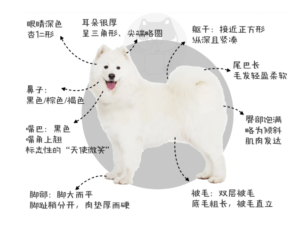
The Samoyed: A ‘Smiling Angel’—but Think Twice Before You Commit
The Samoyed's famous 'smile' is real, and so is its friendliness, trainability, and adaptability. But this breed sheds heavily, needs daily exercise, has a sensitive stomach, and shows its share of health issues—tear stains, dermatitis, heatstroke, obesity, and hip dysplasia. Before you fall for the looks, weigh the work it takes to keep one happy and healthy.
Pros and cons of the Chinese rural dog (Tugou)
Pros: unfussy eater, sturdy, alert guard dog, clean. Cons: plain looks, can bite strangers, may kill small livestock.

Sodium Fluoroacetate Poisoning in Dogs and Cats
Sodium fluoroacetate is a deadly rodenticide that, like fluoroacetamide, blocks cellular energy production and strikes the brain and heart. Signs include vomiting, incoordination, wild running, seizures and rapid death.