Search Results
1171 results for “balanced nutrition”
Why Is My Turtle’s Shell Rotting?
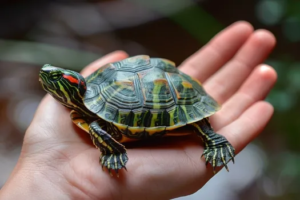
A rotting shell loses the turtle its main shield, and it usually comes from imbalance: poor diet short on vitamins and minerals, skipped cleaning that lets bacteria and parasites invade, too little light and wrong temperatures, or untreated scrapes that get infected. Feed a complete, balanced diet; rinse the shell weekly and keep the tank water fresh to stop bacteria; give proper sunlight—it disinfects—and steady warmth; and pad the enclosure so the shell isn't injured. If you spot damage, treat it early before infection spreads. Steady, careful care is what keeps a turtle's shell sound.

What Are the Symptoms of Coccidiosis in Guinea Pigs?
Coccidiosis in guinea pigs starts quietly—low energy, poor appetite, and weight loss—then progresses to diarrhea with blood or mucus as the parasites steal nutrients and damage the gut lining. Left alone it leads to malnutrition, low blood sugar (weakness, wobbliness, collapse), and can end in shock or death. Some pigs show nervous signs like tremors or a tilted head, fever, and clear digestive distress. Diagnosis is confirmed by finding oocysts under a microscope; treatment uses anticoccidial drugs (sulfonamides, quinolones) at the vet's dose, plus fluids and electrolytes for support. Prevention is clean housing, disinfection, balanced feed, and good parasite control—so see a vet early rather than waiting.
How to Enhance Your Arowana’s Color?
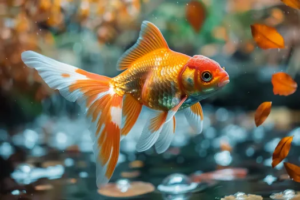
Arowanas are prized for their bold shape and vivid color, but sometimes the fish fade or never reach full brilliance. Color comes from pigments in the scales, so the fix is mostly environmental and dietary. Keep water clean and stable—regular changes, correct temperature, pH, and hardness—and avoid sudden swings that stress a red arowana and stall its coloring. Feed pigment-rich foods like small fish, shrimp, bloodworms, and earthworms, especially during the key coloring stage. Use moderate LED lighting and the right tank background (black suits red arowanas, in a dimmer setup), and balance swimming exercise with proper rest to support pigment production.

Why Isn’t My Goldfish Growing?
A goldfish that stays small is usually a sign of husbandry problems rather than bad genes. The environment is the single biggest factor—a tank that is too small or water that is dirty, the wrong temperature, or low in oxygen slows metabolism and stalls growth. Diet matters just as much: too many carbohydrates and too little protein or vitamins restricts development. Feeding style, water testing, and waste removal also play a role. To help a goldfish reach its full size, give it a spacious, stable tank with filtration, keep water clean and well-oxygenated, and feed a high-quality food in small, frequent meals matched to its life stage.
What to Do If Your Guinea Pig Won’t Eat?
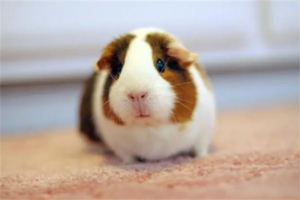
A guinea pig that loses its appetite can signal illness—such as a cold, intestinal parasites, or dental problems—or simpler issues like a monotonous diet, spoiled food, a move, stress, or poor digestion. Because these animals are sensitive, the key is to find the cause and act. Offer varied, nutritious food (vegetables, fruit, pellets), encourage gentle daily exercise like walks or play to aid digestion, and watch its body closely so any health problem gets veterinary care quickly. With the right diet, a calm environment, and attention to its mood, most guinea pigs regain their appetite.

Chinchilla Losing Whiskers? Causes and Care
Chinchilla whiskers can fall out for many reasons—some harmless, others worth attention. Natural shedding is normal and needs no treatment beyond good nutrition, but over-grooming, fungal or parasite infections, and vitamin or protein deficiencies can also cause whisker loss. If whiskers drop on their own with no other symptoms, simply watch your pet's behavior and keep its environment clean and safe. When loss persists or comes with other signs, a vet visit is the right move. Reducing stress, correcting the diet, and maintaining hygiene all help the whiskers grow back.
Can a Samoyed be kept on a budget?
No - its profuse white coat needs regular grooming/bathing/professional care, and it eats a lot of quality food. Not suitable for low-budget keeping.

What Diseases Does the FVRCP Cat Vaccine Prevent?
The FVRCP vaccine, commonly called the cat triple vaccine, protects against three contagious feline diseases: feline viral rhinotracheitis (FVR), calicivirus (FCV), and panleukopenia (FPV, or feline distemper). It greatly lowers infection risk but is not a full guarantee. Kittens can start at eight weeks, need two to three shots three to four weeks apart, and then an annual booster. Sick or pregnant cats should not be vaccinated.

Will Changing Dog Food Hurt the Gut?
Why switch? Nutrition balance - eating one food forever risks deficiency; safety - some feeds use questionable 4D sources, unneeded flavor additives and heavy preservatives linked to chronic disease; and appetite - same taste daily breeds boredom (imagine burgers forever). Does switching hurt? A single-food gut makes narrow enzymes, so a sudden swap causes soft stool or diarrhea. The 7-day method fixes it: raise the new-food ratio daily until day seven is all new, avoiding digestive stress. Switch about every three months, or anytime if no reaction; mixing two foods for broader nutrition is fine. Picky eating comes not from switching but from rewarding refused food with tastier food - the dog learns refusal pays off.

Are Miniature Pinschers Easy to Care For?
The Miniature Pinscher is a lively, smart, gentle, and people-loving dog that experienced owners generally find easy to keep. It adapts well indoors yet still needs daily outdoor exercise to burn energy, or it may get into mischief. Its sensitive skin benefits from regular brushing and bathing, and routine vaccinations and checkups prevent disease. Pros include small size, high intelligence, loyalty, a mild temperament, little odor, and easy adaptability. Cons are a delicate stomach, cold sensitivity, and a loud voice. With a safe home, balanced diet, enough exercise, and regular parasite control and vaccines, a Miniature Pinscher thrives.